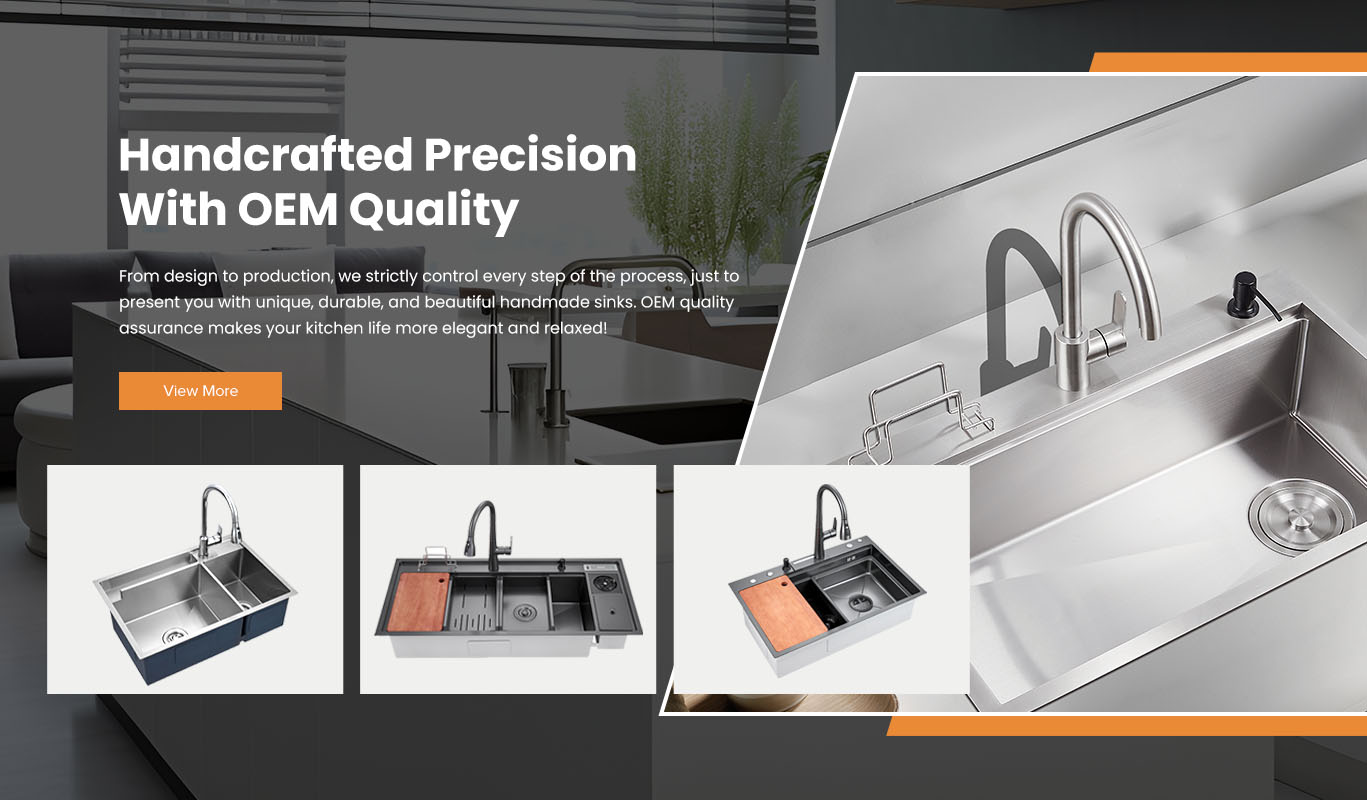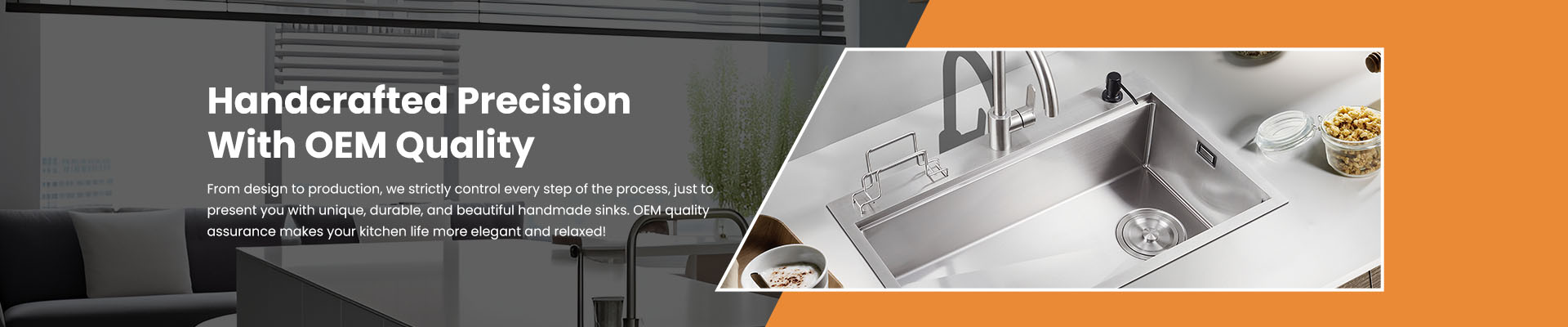
A stainless steel sink performs best when daily care, material control, and manufacturing precision work together. According to water quality data commonly referenced in environmental studies, areas with hardness above 120 mg/L calcium carbonate show a significant increase in surface spotting and residue buildup on metal kitchen fixtures. This makes structured maintenance essential for long service life.
Regular cleaning protects the chromium oxide layer described in ASTM A240 stainless steel standards. This passive layer is the key barrier against corrosion. When exposed to chlorine, food acids, or prolonged moisture, the surface becomes more vulnerable to staining and dullness.
Research in surface engineering indicates that improper drying after use can increase visible water spotting by more than 60 percent in hard water environments. Simple routines such as rinsing, wiping, and drying significantly reduce long term surface degradation.
Care performance is not only user dependent. A stainless steel sink manufacturer controls sheet selection, stamping depth, welding accuracy, and polishing consistency. These factors determine how easily residues adhere to the surface.
During OEM and ODM development, design adjustments such as bowl slope, corner radius, and drainage positioning reduce standing water zones. This improves usability and lowers maintenance requirements in long term installations.
Stable performance depends on strict production control. Key checkpoints include:
Material verification according to EN 10088-2
Surface roughness inspection after polishing
Drainage efficiency testing under water flow simulation
Weld seam consistency and leak detection
Final packaging protection and surface film integrity
These steps ensure consistent quality across bulk supply and export projects.
| Care Method | Water Residue Risk | Maintenance Effort | Surface Condition |
|---|---|---|---|
| No drying routine | High | Frequent cleaning | Unstable |
| Basic wiping only | Medium | Moderate effort | Semi stable |
| Full clean and dry care | Low | Low effort | Stable finish |
For engineering procurement, key checklist items include material grade confirmation, thickness tolerance, surface finish standard, drainage design, packaging protection, and export compliance requirements. These factors directly influence installation success and long term durability.
A structured OEM and ODM process includes product design, structural optimization, prototype sampling, production validation, mass manufacturing, and final inspection. This ensures consistent quality across different markets and project scales.
SHUNHAN integrates design engineering, manufacturing control, and bulk production capability to ensure stable sink performance from sampling to shipment.