stainless steel sinks are designed for long-term kitchen use, but rust-like stains can still appear when the surface is exposed to the wrong cleaning methods, iron particles, salt residue, or standing water. In many cases, the problem is not that the sink material is low quality. It may come from carbon steel contamination, hard water deposits, or chemical residue left on the surface for too long.
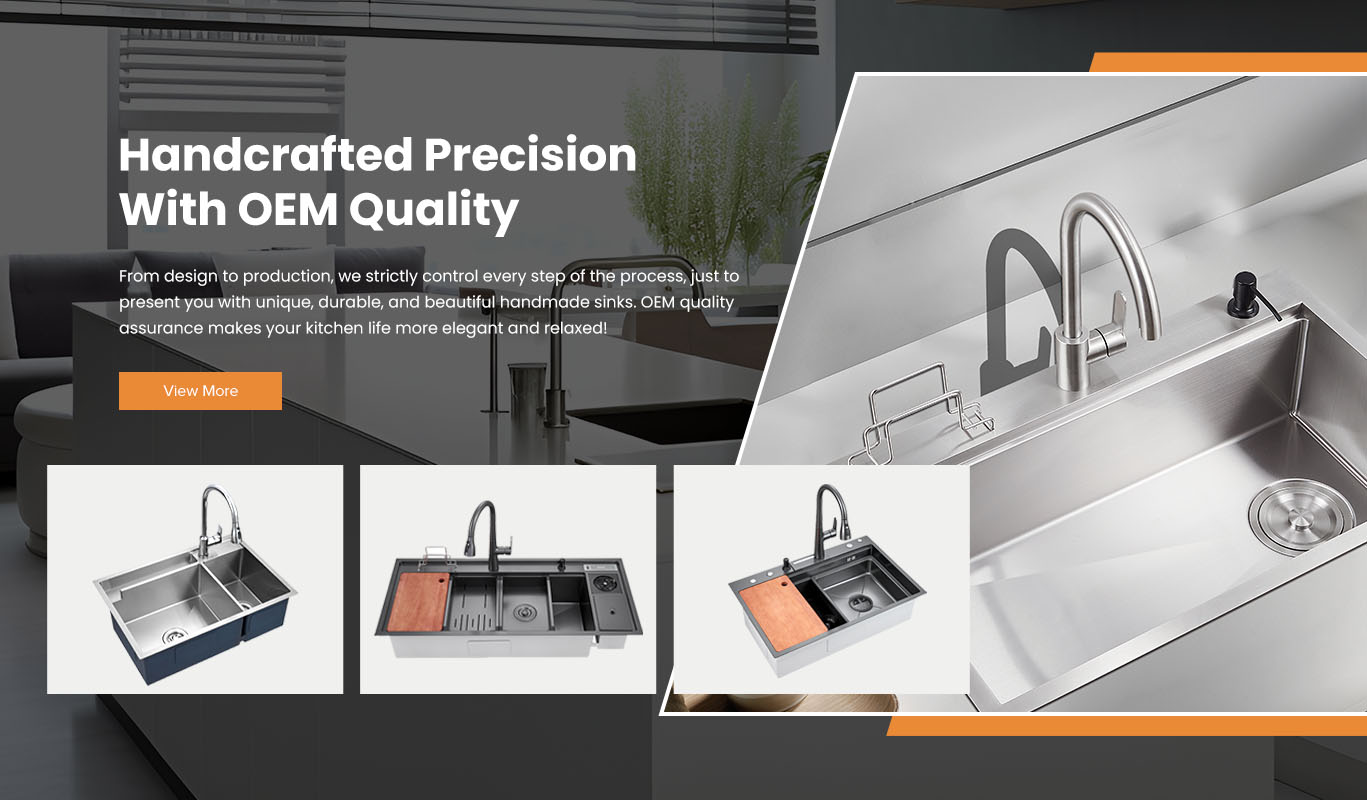
304 stainless steel is widely used for kitchen sinks because common material references describe it as an 18-8 stainless steel grade with about 18% chromium and 8% nickel. Chromium helps form a protective surface layer, while nickel improves corrosion resistance and forming stability. SHUNHAN also presents its sink products as using 304 stainless steel and supports OEM and ODM sink customization.
The easiest way to prevent rust on a stainless steel sink is to rinse and dry the surface after use. Water drops, food residue, salt, and detergent marks can stay on the surface and create visible stains over time. After washing dishes or preparing food, wipe the sink with a soft cloth, especially around corners, drain areas, and welded edges.
Avoid leaving knives, carbon steel tools, wet cans, or metal trays inside the sink overnight. These items may transfer iron particles to the stainless steel surface and create rust-like marks. Do not use steel wool, chlorine cleaner, strong acid cleaner, or rough scouring pads. For brushed stainless steel, clean along the grain direction to protect the surface finish.
| Use Scenario | Main Rust Risk | Recommended Prevention |
|---|---|---|
| Home kitchen | Water spots and food residue | Rinse and dry after daily use |
| Restaurant prep area | Salt and metal tool contact | Remove residue quickly and avoid carbon steel contact |
| Apartment project | Long-term tenant use | Choose 304 stainless steel and clear care guidance |
| Bulk order shipping | Moisture inside packaging | Use dry packing materials and protective surface film |
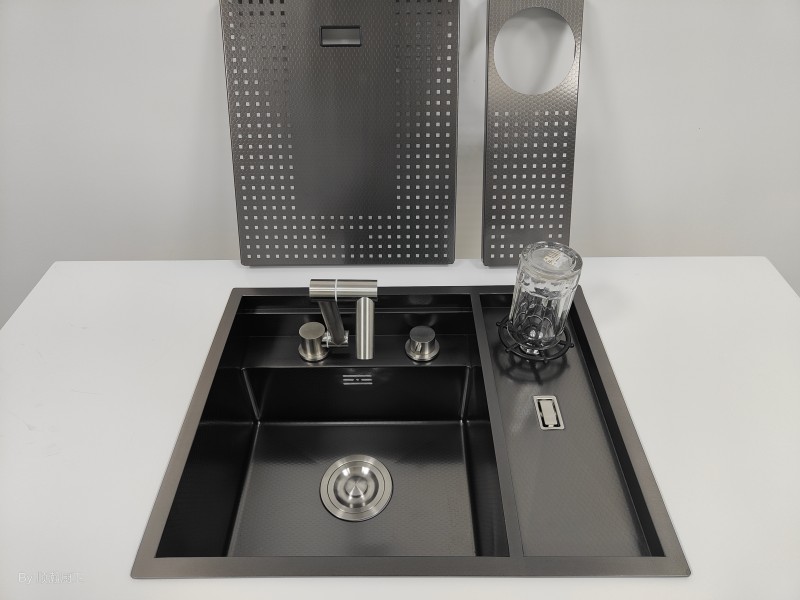
Rust prevention starts from manufacturing. As a stainless steel sink manufacturer, SHUNHAN focuses on material selection, handmade sink forming, welding, grinding, polishing, edge treatment, cleaning, and final inspection. A stable sink surface depends on qualified stainless steel sheet, smooth weld handling, consistent brushing, clean finishing, and proper packaging.
For wholesale and project supply, our team can support different sink sizes, bowl depths, installation methods, surface finishes, drainboard designs, and OEM/ODM customization. We can also help review packaging protection, surface treatment, and usage scenarios before production, so the sink is better matched to kitchens, hotels, apartments, restaurants, and commercial spaces.
A well-made 304 stainless steel sink should be easy to clean, resistant to daily moisture, and stable in long-term use. Share your target market, product size, finish requirement, and order plan with our team, and we can recommend a suitable stainless steel sink solution for your next project.