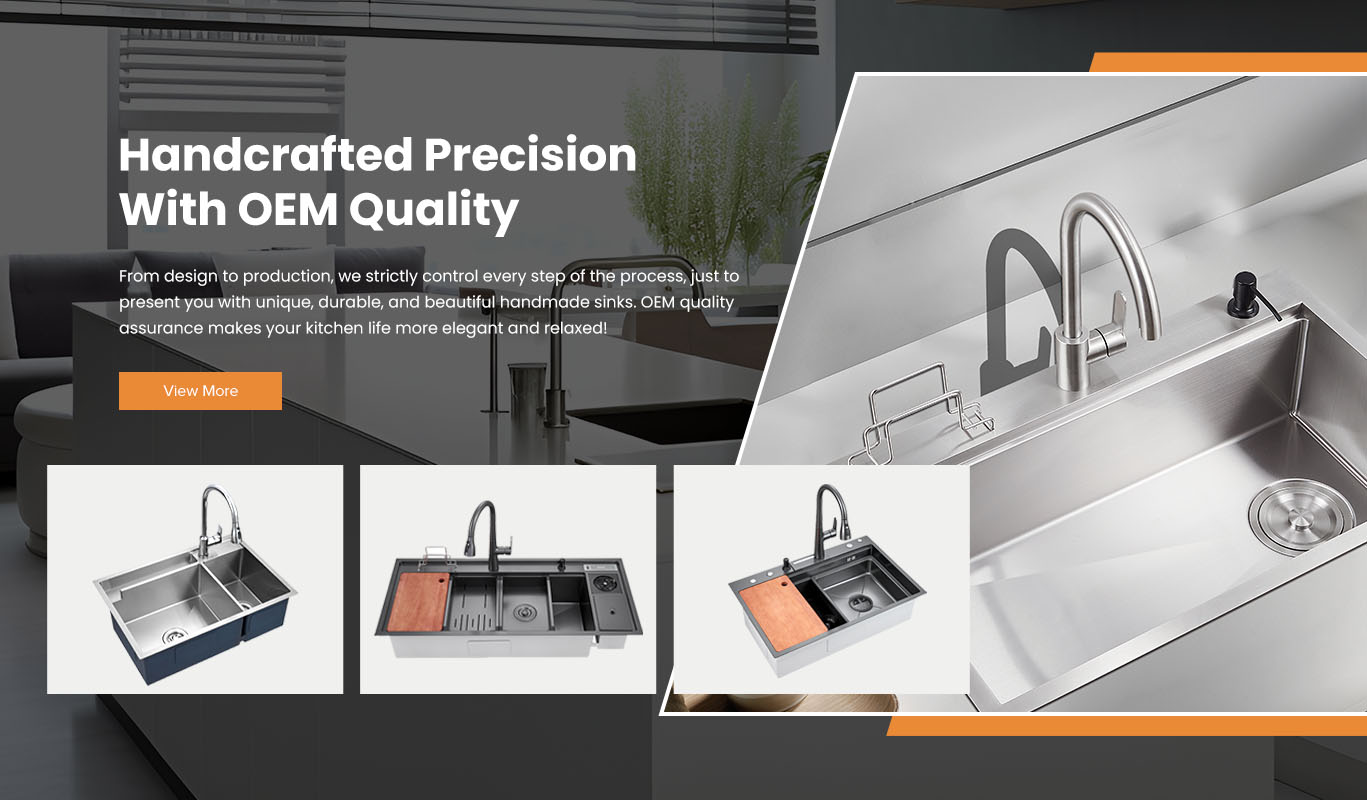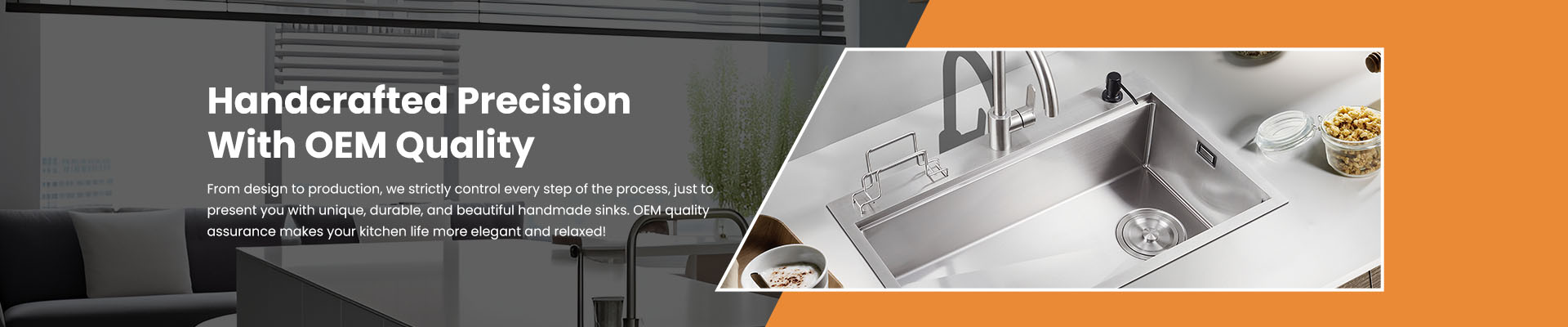
A stainless steel sink can maintain its appearance for many years when proper care is applied consistently. According to material maintenance studies referenced by the EPA water quality dataset, regions with hardness above 120 mg/L calcium carbonate show significantly higher mineral buildup and surface dulling on stainless steel surfaces over time.
Routine cleaning is the foundation of sink care. Mild detergent and soft cloth wiping helps preserve the passive chromium oxide layer defined in ASTM A240 stainless steel standards. This layer is what provides corrosion resistance, but it can be affected by chlorine exposure, abrasive cleaning tools, and trapped food particles.
Avoiding standing water is equally important. Long exposure to moisture and minerals increases spotting risk by more than 60 percent in high-hardness water environments based on surface corrosion behavior studies in industrial kitchen applications.
Care performance is strongly influenced by manufacturing precision. A stainless steel sink manufacturer controls sheet selection, forming depth, welding consistency, and surface polishing grain direction. These factors determine how easily dirt, oil, and mineral deposits adhere to the surface.
In OEM and ODM production, design parameters such as bowl angle, drainage slope, and corner radius are adjusted to reduce water retention zones. This reduces maintenance requirements for end applications in commercial and residential installations.
Key checkpoints during production include:
Material grade verification according to EN 10088-2
Surface roughness inspection after polishing
Water drainage flow testing
Weld seam integrity inspection
Final cleaning and protective film application
These controls ensure consistency in bulk supply and reduce post installation maintenance issues.
| Care Method | Maintenance Frequency | Surface Condition Stability | Risk Level |
|---|---|---|---|
| No drying after use | High | Unstable | High |
| Basic cleaning only | Medium | Moderate | Medium |
| Cleaning + drying routine | Low | Stable | Low |
For global projects, procurement requirements often include material certification, surface finish consistency, packaging protection, and inspection standards before shipment. A structured OEM and ODM process ensures design validation, sample approval, mass production control, and final inspection consistency.
SHUNHAN integrates product design, structural development, manufacturing process control, and bulk production capability to maintain stable sink performance across different markets and usage conditions.