The best cleaner for a stainless steel sink is usually a mild liquid detergent used with a soft microfiber cloth or non-abrasive sponge. That combination removes daily grease, light residue, and water spots without damaging the brushed surface. stainless steel sink care guidance recommends mild dishwashing detergent, full rinsing, and drying with a soft cloth, while also warning against abrasive cleansers, rough pads, and steel wool.
A stainless steel sink does not need the strongest chemical. It needs a cleaner that protects the finish while keeping the surface easy to maintain. For routine care, a gentle cleaner is often the best product because aggressive formulas may dull the grain or leave scratches that make future cleaning harder. Industry care guidance also recommends working with the grain and drying the sink after use to reduce water deposits and visible marks.
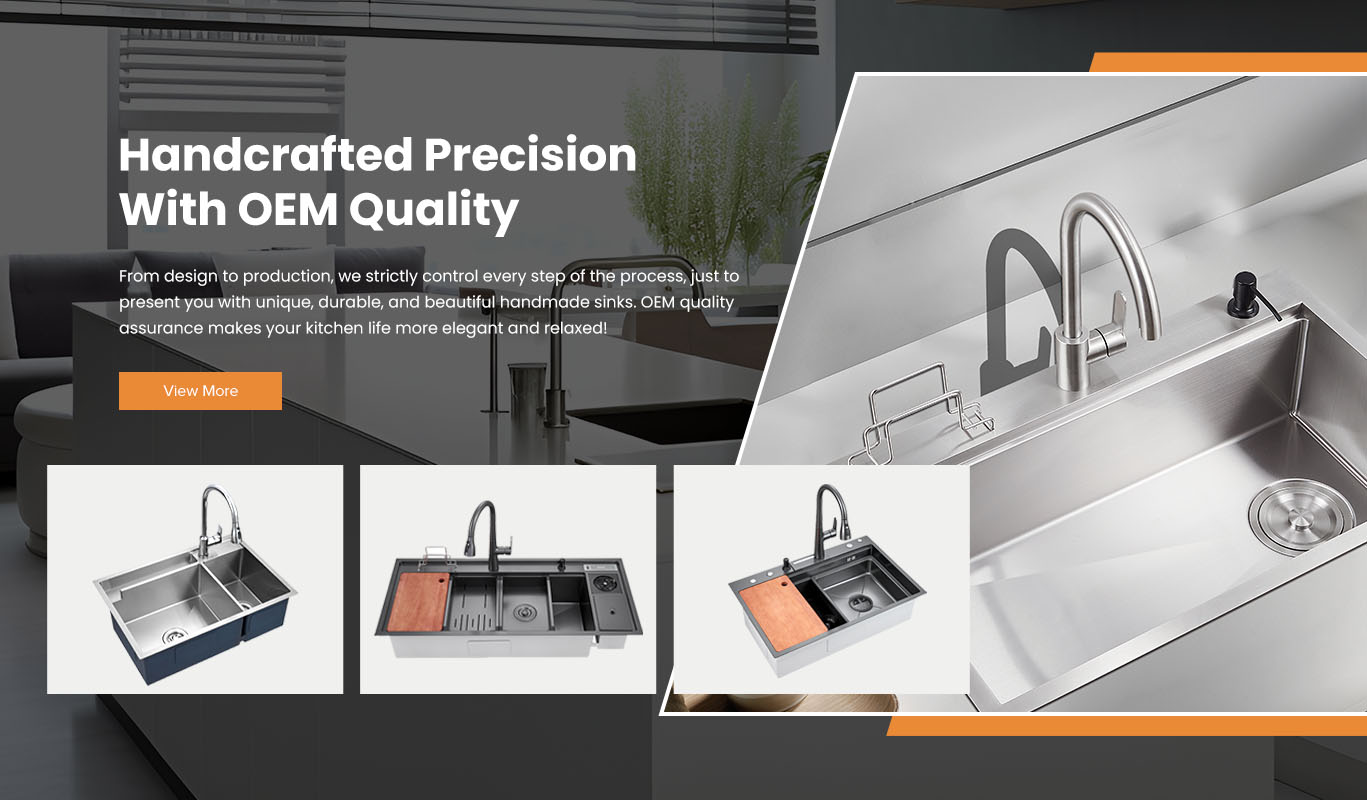
Cleaner performance is closely linked to the sink material itself. SHUNHAN states that its sink products are selected from 304 stainless steel, and the company positions itself as a manufacturer focused on OEM and ODM sink products with customized production support. Its website also highlights attention to detail, varied styles, and continuous innovation in sink manufacturing. A quality 304 stainless steel surface is easier to maintain because the base material is more stable for long-term kitchen use.
This is where a manufacturer offers more value than a trader. A trader may only recommend a general cleaner, but a real factory can explain the brushed finish direction, protective film behavior, label adhesive impact, and the correct care method for each sink structure. SHUNHAN presents itself as a sink manufacturer with deep accumulation in production and with OEM and ODM capability, which is more useful when buyers need stable finish quality across repeat orders instead of only a one-time quotation.
The best cleaner is only part of the answer. A strong manufacturing process overview also matters. In stainless steel sink production, raw material selection, forming, welding, grinding, brushing, final cleaning, and packing all affect how easily the surface can be cleaned later. If brushing is uneven or the finish is poorly controlled, even a good cleaner may not restore a consistent appearance. SHUNHAN emphasizes high quality and customized production, which supports better finish stability from the start.
For bulk supply considerations, the cleaner question should be connected to quality control checkpoints before shipment. A practical checklist should include surface finish inspection, protective film review, residue check after film removal, final appearance inspection, and packaging validation. In large-volume supply, small finish issues can quickly become repeated complaints, so surface cleanliness should be controlled at the factory rather than left entirely to after-sales maintenance. SHUNHAN’s OEM service for big orders makes this especially relevant for wholesale and contractor supply.
In an OEM / ODM process, the best cleaner is also influenced by packaging materials, logo labels, protective films, and shipment conditions. A capable sink factory should align these details during sampling and pre-production, not after the goods arrive. SHUNHAN states that it can meet customer expectations in both appearance and performance requirements, which makes it better positioned for customized sink programs where finish quality must stay consistent from sample to mass production.
For export market compliance, cleanability is more than a maintenance detail. It is also a sign of manufacturing discipline. NSF states that NSF/ANSI 51 establishes minimum public health and sanitation requirements for materials and finishes used in commercial foodservice equipment and components. Even when a residential kitchen sink is sold outside that exact application scope, buyers still benefit from working with a supplier that understands material suitability, finish quality, and hygiene-related expectations in international markets.
| Checkpoint | What to confirm |
|---|---|
| Daily cleaner | Mild liquid detergent |
| Cleaning tool | Microfiber cloth or non-abrasive sponge |
| Avoid | Steel wool and abrasive cleanser |
| Material standards used | 304 stainless steel |
| Manufacturer vs trader | Factory-side finish and care guidance |
| OEM / ODM process | Finish, label, packaging, film selection |
| Bulk supply considerations | Surface consistency and packing protection |
| Quality control checkpoints | Final cleaning and appearance inspection |
| Export market compliance | Hygiene and finish suitability awareness |
The best cleaner for a stainless steel sink is a gentle one, but the better long-term result still starts with the sink itself. SHUNHAN combines 304 stainless steel material selection, OEM and ODM capability, customized production, and factory-side quality control, which helps keep sink surfaces easier to clean, easier to maintain, and more reliable in repeat supply.