Limescale on a stainless steel sink usually comes from hard water minerals left behind after water dries on the surface. The most practical removal method is to loosen the scale gently instead of using aggressive abrasion. Stainless steel care guidance notes that regular cleaning with detergent, rinsing, and full drying helps prevent limescale, while vinegar-based cleaning can help dissolve mineral buildup when scale has already formed.
Start with warm water and a soft cloth to remove loose residue. Then apply a vinegar solution or full-strength vinegar to the affected area for a short soaking period. Moen’s stainless steel sink guidance recommends vinegar for hard water spots and scale, with a contact time of about 5 to 10 minutes, followed by rubbing, rinsing, and drying. Avoid steel wool, abrasive powders, and harsh acid cleaners, because stainless steel maintenance guidance warns these can damage the finish and leave the surface harder to maintain later.
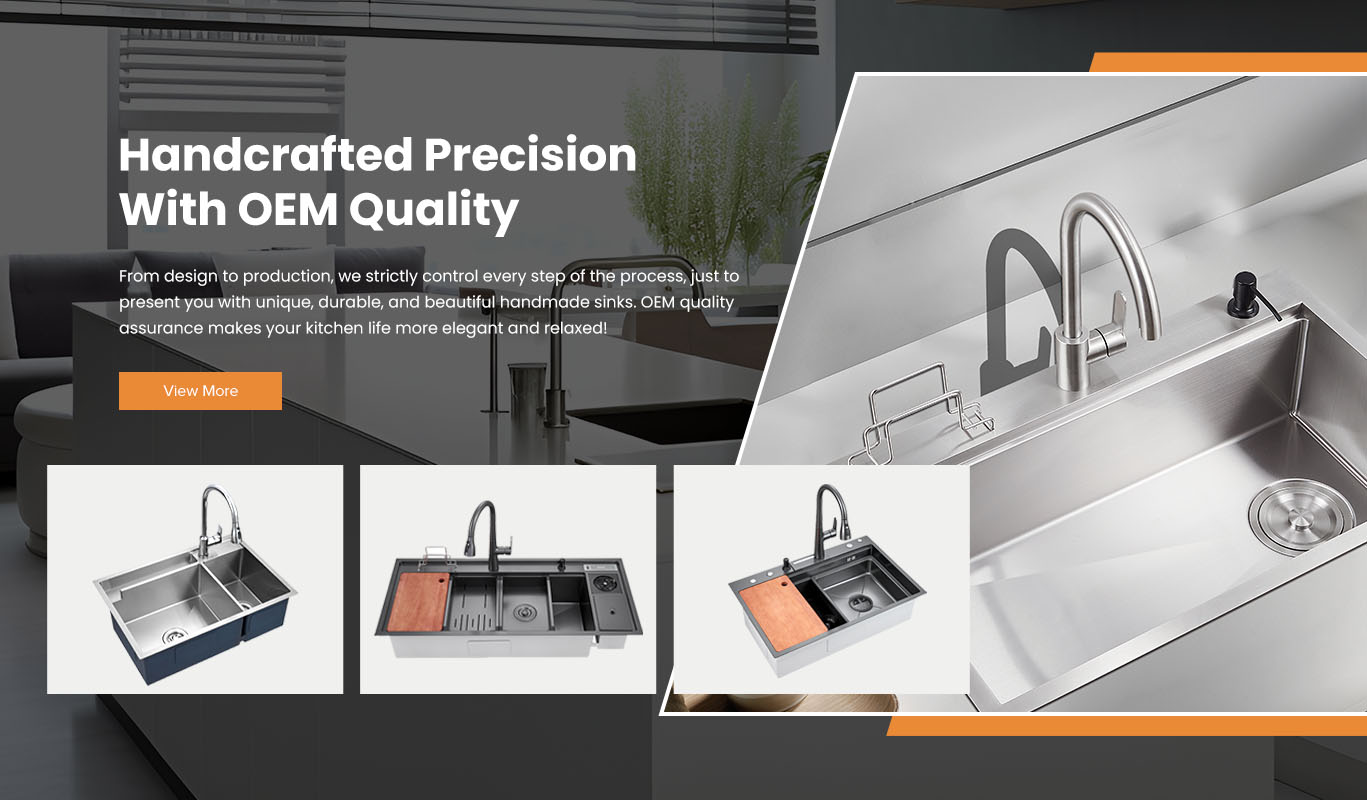
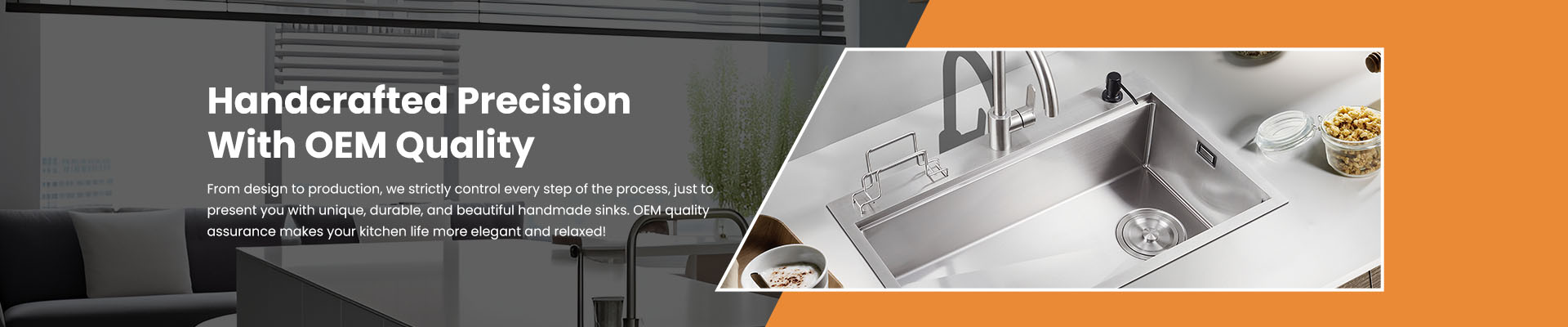
A sink is easier to clean when the base material is stable. SHUNHAN states that its sink products use 304 stainless steel, and its product pages describe this material as corrosion resistant, anti-oxidation, and suitable for long-term use. That matters because a quality 304 stainless steel sink is better prepared to handle frequent cleaning and repeated exposure to water.
This is where a manufacturer offers more value than a trader. A trader may only suggest a general cleaner, but a real factory can explain surface finish direction, protective film behavior, installation environment, and how the sink should be maintained after delivery. SHUNHAN presents itself as a stainless steel sink manufacturer with OEM and ODM capability and customized production support, which is more useful when buyers need repeatable finish quality across long-term supply.
Limescale removal is not only a maintenance issue. It also reflects how the sink was produced. Surface brushing, welding quality, final cleaning, and protective film control all affect how easily mineral residue can be removed after installation. SHUNHAN emphasizes detail, high quality, varied styles, and continuous innovation in sink manufacturing, which supports a more consistent surface condition across different models.
For bulk supply considerations, limescale complaints should be reduced before shipment, not only after installation. Practical quality control checkpoints include surface finish inspection, protective film review, residue checks after film removal, and final appearance inspection before packing. A project sourcing checklist should also confirm whether the sink surface is easy to clean and whether after-sales maintenance guidance is clear for installers and distributors. This becomes more important when a large order must remain consistent across repeated shipments.
In an OEM / ODM process, limescale performance is influenced by more than the steel sheet. Finish choice, bowl design, coating options, labels, and packaging all affect long-term appearance. SHUNHAN highlights OEM service for large orders and customized production, which helps align these details before mass production begins. For export market compliance, surface cleanability is also a quality signal. NSF states that NSF/ANSI 51 establishes minimum public health and sanitation requirements for materials and finishes used in commercial foodservice equipment.
| Checkpoint | What to confirm |
|---|---|
| Limescale removal method | Vinegar treatment, rinse, and dry |
| Cleaning tools | Soft cloth and non-abrasive materials |
| Material standard | 304 stainless steel |
| Manufacturer support | OEM / ODM process and maintenance guidance |
| Quality control checkpoints | Surface finish, residue check, final inspection |
| Bulk supply considerations | Consistent finish and packaging protection |
| Export market compliance | Cleanability and finish suitability awareness |
A stainless steel sink can stay clean and bright when limescale is removed correctly, but the deeper advantage comes from selecting a manufacturer that controls the product from the beginning. SHUNHAN combines 304 stainless steel selection, OEM and ODM capability, customized production, and detail-focused sink manufacturing, which makes daily maintenance easier and long-term supply more reliable.