The best way to clean a stainless steel sink is usually the simplest one: use a mild liquid detergent with a soft microfiber cloth or nonabrasive sponge, then rinse thoroughly and dry the surface. Multiple stainless steel sink care guides recommend this exact approach for daily cleaning and warn against abrasive cleansers, steel wool, and rough pads that can damage the finish or make later cleaning more difficult.
A stainless steel sink does not perform better with harsher chemicals. In most kitchens, grease, light residue, and water spots can be managed with gentle routine care. The key is consistency. Rinsing and drying after use helps reduce mineral deposits, while cleaning along the grain helps maintain the original brushed appearance. This matters because surface damage often comes from incorrect tools rather than from daily use itself.
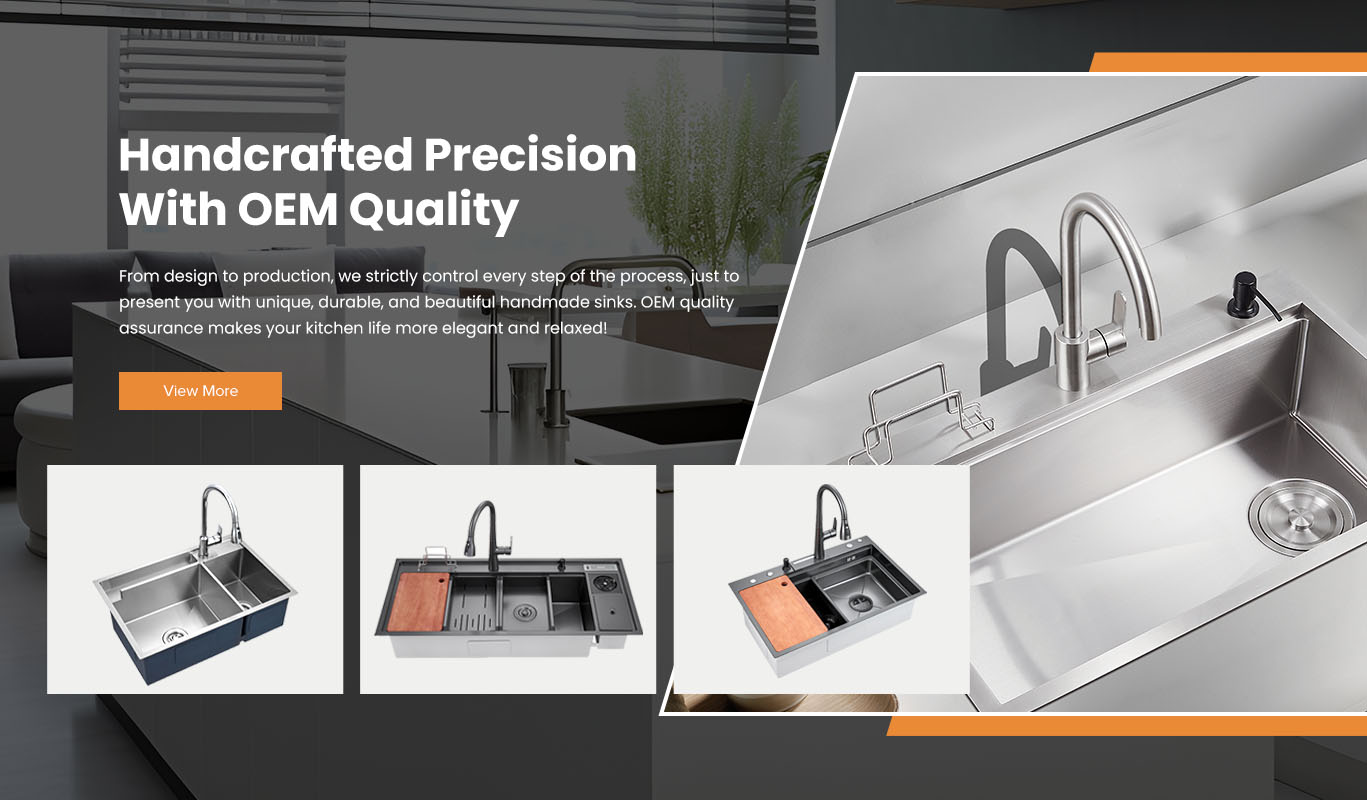
The best cleaning result also depends on the sink material itself. SHUNHAN states that its products are selected from 304 stainless steel and that it focuses on providing OEM and ODM sink products with customized production support. On its product pages, SHUNHAN also highlights that 304 stainless steel offers corrosion resistance, anti oxidation performance, and suitability for long term and frequent use. A stable 304 surface is easier to maintain because the material and finish start from a stronger foundation.
This is where a manufacturer offers more value than a trader. A trader may only recommend a general cleaner, but a real factory can explain surface finish direction, protective film behavior, installation structure, and what type of care is appropriate after delivery. SHUNHAN presents itself as a sink manufacturer with deep accumulation in production, rich style options, and professional OEM and ODM service. That gives buyers more practical support on finish protection, repeat order consistency, and customized development.
The best cleaner is only part of the answer. A strong sink also needs a controlled manufacturing process. In stainless steel sink production, raw material selection, forming, welding, grinding, brushing, final cleaning, and packing all affect how easily the surface can be cleaned later. SHUNHAN emphasizes detail, high quality, and continuous innovation in sink manufacturing. That is important because a sink with a more stable finish stays easier to clean across daily use, installation, and long term supply.
For bulk supply, surface care should begin before shipment rather than after complaints appear. Useful quality control checkpoints include brushed finish inspection, protective film review, residue checks after film removal, final cleaning, and appearance inspection before packing. In project sourcing, this reduces repeated claims across large orders and keeps the product presentation more consistent after installation. This is especially important when supply goes to contractors, wholesalers, or multi unit projects. SHUNHAN specifically notes OEM service for big orders, wholesale dealers, and contractors, which makes factory side quality control even more relevant.
In an OEM and ODM process, the best cleaning method is linked to more than the sink body alone. Labels, logo methods, protective films, packaging materials, and shipment conditions all influence how easily the finished product can be maintained after arrival. SHUNHAN states that in customization it can meet both appearance and performance requirements, which is useful when buyers need stable finish quality from sample approval to mass production.
For export market compliance, cleanability is not just a maintenance detail. It is also a sign of manufacturing discipline. NSF states that NSF ANSI 51 establishes minimum public health and sanitation requirements for materials and finishes used in commercial food equipment. Even when a kitchen sink is sold outside that exact category, buyers still benefit from working with a supplier that understands material suitability, finish quality, and hygiene related expectations in international markets.
| Checkpoint | What to confirm |
|---|---|
| Daily cleaning method | Mild liquid detergent with soft cloth |
| Surface protection | Nonabrasive sponge and drying after use |
| Avoid | Steel wool, abrasive cleanser, rough pads |
| Material standards used | 304 stainless steel |
| Manufacturer vs trader | Factory side finish and care guidance |
| OEM and ODM process | Finish, label, packaging, film selection |
| Bulk supply considerations | Surface consistency and packing protection |
| Quality control checkpoints | Final cleaning and appearance inspection |
| Export market compliance | Hygiene and finish suitability awareness |
A mild detergent and a soft cloth are usually the best answer for cleaning a stainless steel sink, but the better long term answer starts with the sink itself. SHUNHAN combines 304 stainless steel material selection, OEM and ODM capability, customized production, and factory side quality control, which helps make sink surfaces easier to clean, easier to maintain, and more stable across repeated supply.