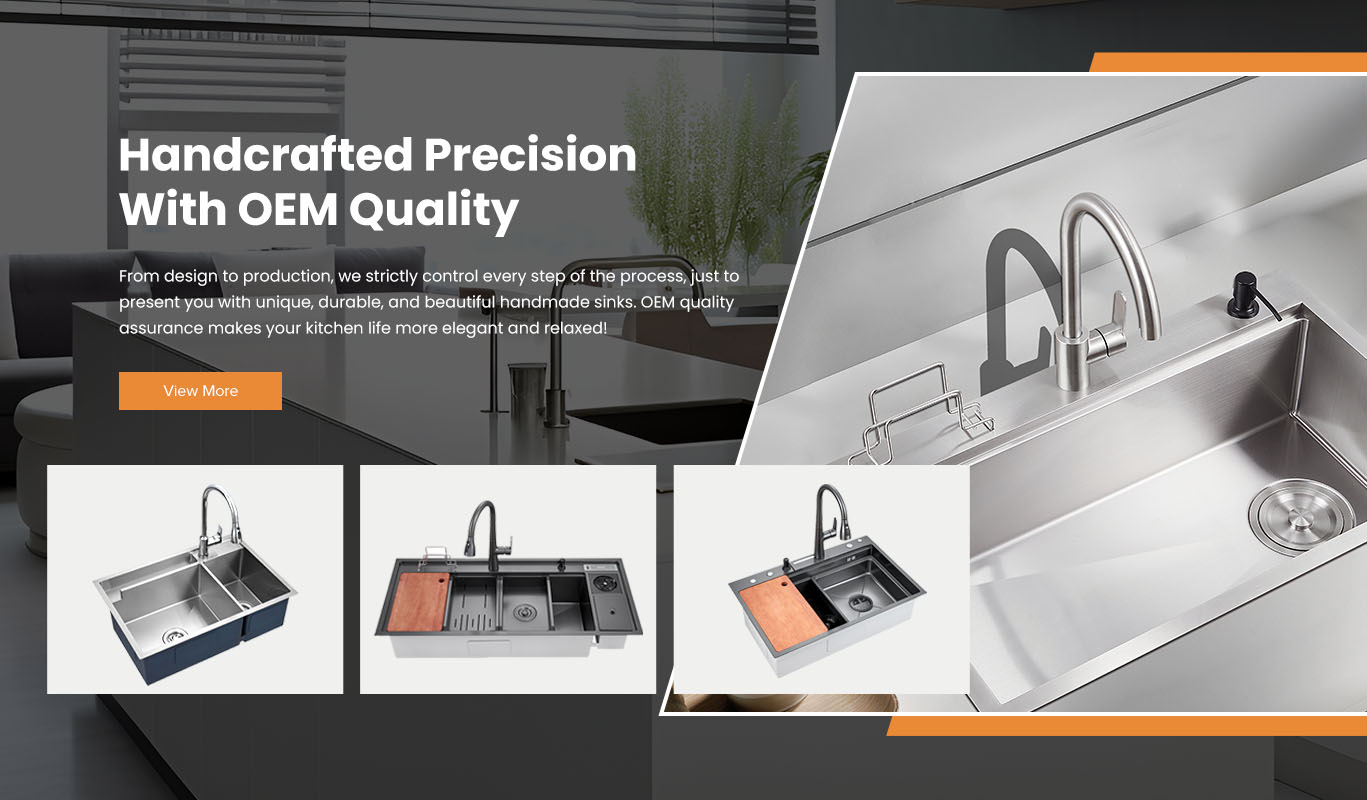
A utility sink is better suited for heavy cleaning tasks because it provides deeper capacity, stronger functionality, and support for demanding work, while a kitchen sink focuses on food preparation and daily kitchen use.
The main difference between a utility sink and a kitchen sink is the type of tasks they are designed to handle.
A utility sink is designed for heavy-duty cleaning activities, including:
Washing large items
Cleaning tools and equipment
Handling dirty materials
Supporting household maintenance tasks
A kitchen sink is designed for:
Food preparation
Dishwashing
Ingredient cleaning
Daily kitchen activities
From a manufacturer’s perspective, sink design should match the working environment. Different applications require different basin sizes, structures, materials, and performance standards.
Utility sinks are designed for demanding cleaning environments.
Key advantages include:
Larger basin capacity
Deeper bowl design
Stronger structural support
Better handling of oversized items
They are commonly used for:
Laundry rooms
Garages
Workshops
Utility areas
Commercial cleaning spaces
The larger working area allows users to clean items that may not fit easily into a standard kitchen sink.
Kitchen sinks are optimized for food-related activities.
Their main advantages include:
Better kitchen integration
Suitable sizes for countertops
Multiple design options
Comfortable daily use
They support tasks such as:
Washing vegetables
Cleaning dishes
Preparing meals
Managing kitchen workflows
For cooking environments, kitchen sinks provide the right balance between functionality and appearance.
Size is one of the most important differences between these two sink types.
| Sink Type | Main Design Focus |
|---|---|
| Utility Sink | Large capacity and heavy cleaning |
| Kitchen Sink | Food preparation and daily convenience |
Utility sinks usually provide:
Deeper bowls
Larger washing areas
More space for bulky items
Kitchen sinks usually focus on:
Countertop compatibility
Kitchen layout integration
Comfortable operation
The correct size depends on the intended tasks.
Heavy cleaning often involves oversized or heavy objects.
Utility sinks provide advantages when handling:
Buckets
Tools
Garden equipment
Large containers
Cleaning supplies
Their deeper structure helps prevent water splashing and provides more working space.
Kitchen sinks are better suited for:
Plates
Cookware
Food ingredients
Everyday kitchen items
Sink depth directly influences usability for heavy cleaning.
A deeper utility sink provides:
More vertical washing space
Better splash control
Easier cleaning of large objects
Improved user convenience
Kitchen sinks usually balance depth with:
Countertop height
Ergonomic use
Kitchen appearance
The best depth depends on the type of work performed.
Heavy cleaning tasks require stronger construction.
Utility sinks often provide:
Reinforced structures
Higher impact resistance
Stronger materials
Long-term performance under demanding conditions
Kitchen sinks require:
Good corrosion resistance
Reliable daily durability
Stable appearance
Material quality, thickness, and manufacturing processes all influence actual performance.
Material selection depends on application requirements.
| Sink Type | Material Priority |
|---|---|
| Utility Sink | Strength, durability, heavy-use performance |
| Kitchen Sink | Balance of durability, appearance, and convenience |
Utility applications often require materials that can withstand:
Frequent impact
Harsh cleaning conditions
Heavy objects
Kitchen applications often focus on:
Surface appearance
Easy cleaning
Interior design compatibility
Heavy-duty sink production requires strict quality control.
Important quality factors include:
| Quality Factor | Performance Impact |
|---|---|
| Stainless steel grade | Determines corrosion resistance |
| Material thickness | Supports strength |
| Basin structure | Influences load capacity |
| Welding quality | Improves reliability |
| Surface finishing | Supports maintenance |
Manufacturers adjust product structures according to the intended working environment.
Utility sinks are generally more suitable for laundry rooms and workshops because they provide:
Larger cleaning capacity
Better support for heavy tasks
More flexible usage
They are ideal for:
Washing work equipment
Cleaning household items
Handling maintenance activities
Kitchen sinks are not usually designed for these types of applications.
A kitchen sink can handle some light cleaning tasks, but it is not designed for heavy-duty applications.
Utility sinks provide advantages when tasks involve:
Large objects
Frequent cleaning
Strong impact requirements
Higher water volume
Using the correct sink type improves efficiency and helps extend product service life.
Commercial cleaning environments often require specialized performance.
Utility sinks are suitable because they provide:
Higher durability
Larger capacity
Better workflow support
Stronger resistance to frequent use
They are commonly used in:
Maintenance areas
Service facilities
Industrial spaces
Commercial utility rooms
The right choice depends on the intended application.
A utility sink is recommended when:
Heavy cleaning is required
Large items need washing
Strong durability is important
Frequent use is expected
A kitchen sink is recommended when:
Food preparation is the main purpose
Kitchen design integration matters
Standard daily use is expected
Residential convenience is the priority
Choosing the correct sink helps achieve better performance, efficiency, and long-term value.
A utility sink is better for heavy cleaning tasks because it provides larger capacity, deeper basins, and stronger durability for demanding applications. A kitchen sink is better suited for food preparation and everyday kitchen activities.
The ideal choice depends on workload, installation environment, cleaning requirements, and expected usage conditions.