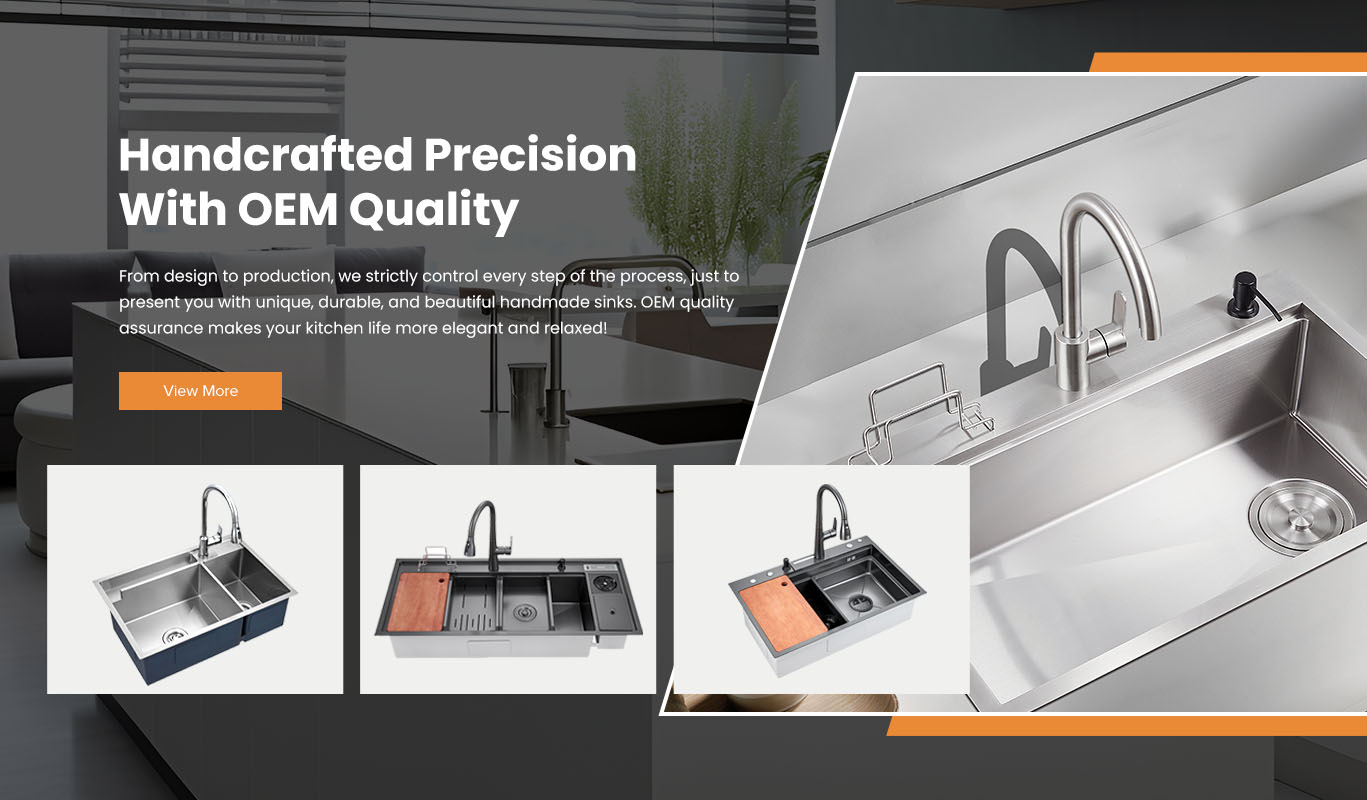
An outdoor kitchen sink requires stronger material protection against weather exposure, corrosion, and temperature changes, while an indoor kitchen sink focuses more on daily usability and interior design. The right material depends on the installation environment.
The main difference between an outdoor kitchen sink and an indoor kitchen sink is the level of environmental protection required.
An outdoor kitchen sink is exposed to:
Rain and humidity
Temperature changes
Outdoor dust
Sunlight exposure
Environmental corrosion risks
An indoor kitchen sink operates in a more controlled environment and focuses on:
Daily cleaning
Kitchen design integration
User comfort
Long-term household performance
From a manufacturer’s perspective, material selection should match the installation environment. A sink designed for outdoor conditions requires different protection standards compared with a standard indoor application.
Outdoor environments create additional challenges for sink materials.
Outdoor kitchen sinks require better resistance against:
Moisture exposure
Oxidation risks
Temperature variation
Surface deterioration
Important material features include:
Corrosion-resistant stainless steel
Durable surface finishing
Stable structural design
Weather-resistant construction
These features help outdoor sinks maintain performance under changing environmental conditions.
Outdoor kitchen sinks usually require materials with strong durability and corrosion resistance.
Common material considerations include:
Stainless steel with high corrosion resistance
Protective surface treatments
Durable finishing processes
Strong structural construction
Stainless steel is widely selected because it provides:
Good corrosion resistance
Easy maintenance
Long service life
Suitable outdoor performance
However, material quality and manufacturing processes are important factors affecting actual performance.
Indoor kitchen sinks operate in a more stable environment.
Important features include:
Appearance compatibility
Surface finish
Cleaning convenience
Kitchen design integration
Indoor sinks often offer more flexibility in:
Colors
Finishes
Shapes
Installation styles
For indoor applications, product appearance and user experience are often key considerations.
Stainless steel grade influences corrosion resistance and durability.
| Application | Material Focus |
|---|---|
| Outdoor Kitchen Sink | Higher protection against corrosion and environmental exposure |
| Indoor Kitchen Sink | Balanced durability, appearance, and daily performance |
Higher-quality stainless steel can improve:
Resistance to rust
Surface stability
Long-term appearance
Overall durability
Selecting the correct stainless steel grade helps match the sink to its working environment.
Corrosion protection is especially important for outdoor applications.
Outdoor kitchen sinks require:
Better material resistance
More durable surface treatment
Proper maintenance practices
Indoor kitchen sinks usually face lower corrosion risks because they are protected from:
Rain
Outdoor humidity
Weather changes
However, both applications benefit from quality stainless steel and proper manufacturing standards.
Outdoor sinks experience greater temperature variation.
Material performance should consider:
Expansion and contraction
Surface stability
Structural durability
Outdoor kitchen sinks require materials that can maintain performance under changing weather conditions.
Indoor sinks experience fewer temperature fluctuations and can focus more on comfort and design requirements.
Outdoor sink production requires additional quality considerations.
Important quality factors include:
| Quality Factor | Performance Impact |
|---|---|
| Stainless steel grade | Improves corrosion resistance |
| Surface treatment | Protects appearance |
| Structural design | Supports long-term use |
| Welding quality | Prevents weak points |
| Final inspection | Ensures consistency |
Professional manufacturers adjust production standards according to indoor or outdoor applications.
Outdoor kitchen projects require products designed for environmental exposure.
Outdoor kitchen sinks provide advantages through:
Stronger material protection
Better corrosion resistance
Improved weather adaptability
Longer outdoor service potential
They are suitable for:
Garden kitchens
Patio cooking areas
Outdoor entertainment spaces
Poolside kitchens
Indoor kitchen sinks focus on design flexibility and everyday functionality.
They provide advantages through:
More design options
Easy integration with interiors
Comfortable daily use
Flexible installation choices
They are suitable for:
Residential kitchens
Apartments
Modern home renovations
Interior kitchen projects
Indoor kitchen sinks may not provide the same level of protection when exposed to outdoor conditions.
Outdoor environments create additional challenges such as:
Higher humidity
Rain exposure
Temperature changes
Environmental contamination
Using a sink designed specifically for outdoor conditions helps improve reliability and service life.
When selecting between outdoor and indoor kitchen sinks, buyers should consider:
Stainless steel grade
Surface finishing
Corrosion resistance
Material thickness
Structural design
Maintenance requirements
The correct material choice helps ensure better performance in the intended environment.
The correct choice depends on installation location and environmental conditions.
An outdoor kitchen sink is recommended when:
Outdoor installation is required
Weather exposure is expected
Corrosion resistance is important
Long-term outdoor performance is needed
An indoor kitchen sink is recommended when:
Interior installation is planned
Design integration matters
Standard kitchen performance is sufficient
Appearance flexibility is important
Choosing the correct sink material helps achieve better protection, durability, and long-term value.
Outdoor kitchen sinks require stronger material protection because they must handle weather exposure, corrosion risks, and temperature changes. Indoor kitchen sinks focus more on daily usability, design compatibility, and residential performance.
The ideal material choice depends on installation environment, climate conditions, usage requirements, and expected service life.