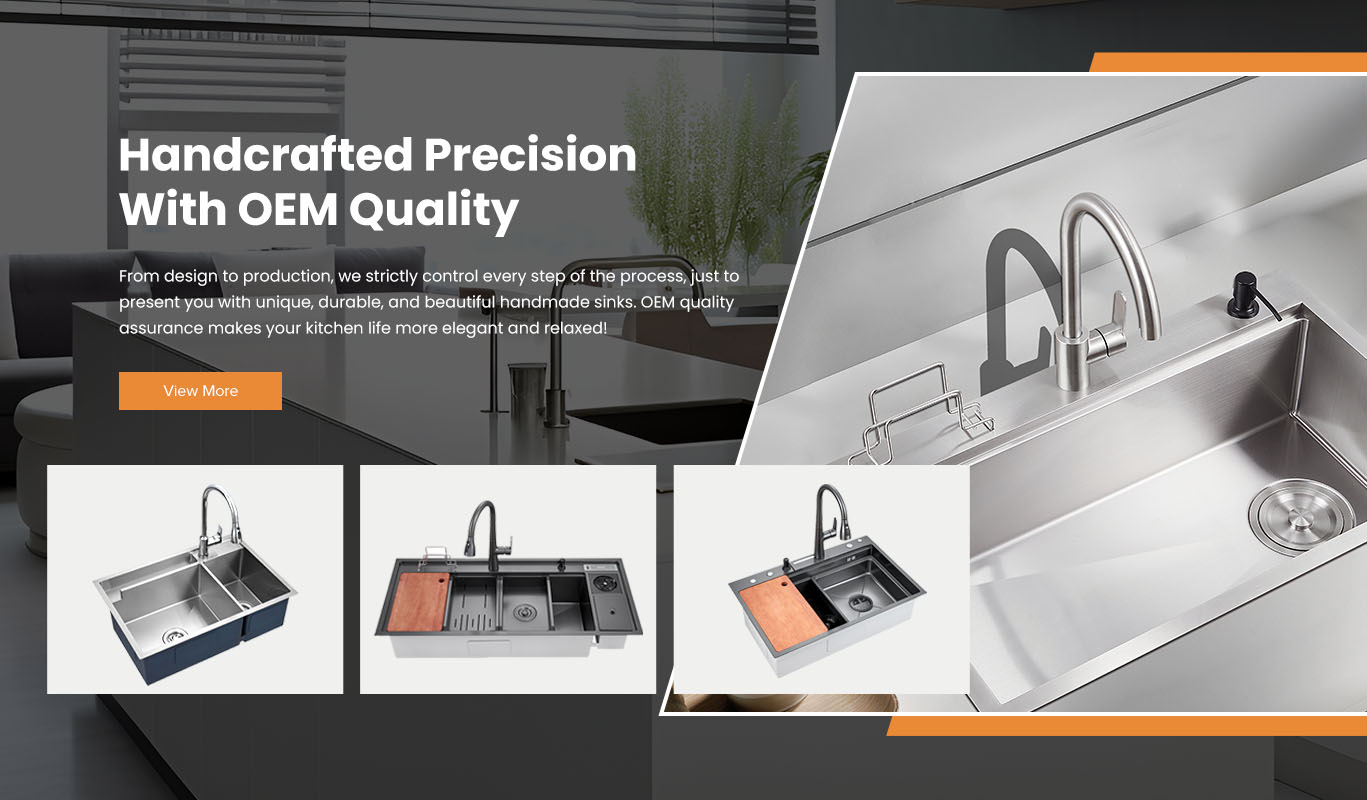
An insulated stainless steel sink provides better performance through improved noise control, temperature stability, and user comfort, while a regular sink offers reliable functionality with a simpler structure. The better choice depends on application needs and performance expectations.
The main difference between an insulated stainless steel sink and a regular sink is the additional insulation structure designed to improve performance.
An insulated stainless steel sink includes extra layers or insulation materials that help reduce vibration, control temperature changes, and improve overall user experience.
A regular sink uses a standard stainless steel structure without additional insulation features. It focuses on durability, practicality, and cost efficiency.
From a manufacturer’s perspective, sink performance is determined by multiple factors, including material quality, structural design, insulation technology, and manufacturing precision.
An insulated stainless steel sink is designed to improve comfort during daily use.
Key advantages include:
Reduced operating noise
Lower vibration
Improved temperature stability
Enhanced user comfort
The insulation structure helps reduce the impact of:
Running water noise
Contact with cookware
Temperature changes from hot and cold water
This makes insulated sinks suitable for:
Premium residential kitchens
Modern open-plan kitchens
High-end renovation projects
Customers seeking enhanced comfort
A regular sink remains a popular choice because of its simple and reliable design.
Its main advantages include:
Proven durability
Easy maintenance
Lower production cost
Wide application range
Regular sinks are commonly used in:
Standard residential kitchens
Apartment projects
Commercial applications
Large-scale developments
For users who prioritize basic functionality, a high-quality regular sink can provide dependable performance.
Noise reduction is one of the main benefits of insulated sink designs.
Insulated stainless steel sinks can reduce sound caused by:
Water hitting the basin surface
Washing dishes
Moving cookware
Sink vibration
Common insulation solutions include:
Sound-absorbing materials
Anti-vibration coatings
Additional structural layers
These features create a quieter kitchen environment, especially in open layouts where kitchen sounds are more noticeable.
An insulated stainless steel sink can help improve temperature-related comfort.
Benefits include:
Reduced heat transfer sensation
More comfortable contact experience
Better handling of temperature changes
This can be useful when the sink is frequently exposed to:
Hot water
Cold water
Temperature fluctuations
A regular sink can still perform effectively, but it does not provide the same level of insulation support.
Modern kitchens increasingly focus on overall living experience.
An insulated stainless steel sink provides advantages through:
Lower noise levels
Better comfort
Premium product experience
Improved daily usability
It is especially suitable for:
Open-plan homes
Luxury apartments
Family kitchens
Design-focused projects
Regular sinks provide reliable performance but focus more on essential functionality.
Structural design influences durability and user experience.
| Sink Type | Performance Characteristics |
|---|---|
| Insulated Stainless Steel Sink | Enhanced comfort, noise control, improved user experience |
| Regular Sink | Reliable functionality, simple structure, cost efficiency |
Both types can achieve long service life when manufactured with:
Quality stainless steel
Proper thickness
Accurate forming
Reliable surface treatment
Insulated sink production requires additional quality control.
Important factors include:
| Quality Factor | Performance Impact |
|---|---|
| Stainless steel grade | Determines durability |
| Material thickness | Supports structural strength |
| Insulation material quality | Controls noise and temperature performance |
| Installation design | Affects actual results |
| Final inspection | Ensures product consistency |
Professional manufacturers control both the sink structure and insulation process to maintain stable performance.
Premium kitchen projects often require more than basic functionality.
Insulated stainless steel sinks provide additional value through:
Better comfort features
Higher perceived quality
Improved daily experience
Product differentiation
Regular sinks provide value through:
Reliable performance
Design flexibility
Cost efficiency
For premium markets, added performance features can improve product competitiveness.
OEM projects should consider market positioning and customer expectations.
Insulated stainless steel sinks are suitable for OEM projects requiring:
Premium product features
Enhanced user experience
Differentiated kitchen solutions
Higher perceived value
Regular sinks are suitable for OEM projects requiring:
Standard product lines
Competitive pricing
Large production volumes
Reliable basic performance
Manufacturers can develop different sink solutions according to market requirements.
Not necessarily.
An insulated sink provides additional performance benefits, but a regular sink may be more suitable for some applications.
A regular sink is recommended when:
Basic functionality is sufficient
Cost efficiency is important
Standard kitchen use is expected
An insulated stainless steel sink is recommended when:
Noise reduction is important
Premium comfort is required
Enhanced performance is desired
The best choice depends on actual usage conditions.
The right choice depends on project requirements, customer expectations, and performance goals.
An insulated stainless steel sink is recommended when:
User comfort is a priority
Quiet operation is required
Premium kitchens are targeted
Additional performance features are valued
A regular sink is recommended when:
Reliable functionality is enough
Budget balance matters
Standard applications are involved
Simple maintenance is preferred
Choosing the correct sink design helps achieve the right balance between performance, comfort, and product value.
An insulated stainless steel sink provides better overall performance through improved noise control, temperature comfort, and enhanced user experience. A regular sink provides reliable durability and practical functionality with a simpler structure.
The ideal choice depends on kitchen design, usage requirements, customer expectations, and desired performance level.