stainless steel sink scratches are common in kitchens, apartments, hotels, restaurants, and commercial preparation areas. Pots, knives, metal trays, cleaning tools, and transport handling can all leave light marks on the surface. For brushed stainless steel, the most important rule is simple: polish along the original grain direction, not in circles. Random polishing may make a small scratch more visible, especially under strong lighting. Most quality kitchen sinks use 304 stainless steel because this grade contains about 18% chromium and 8% nickel, based on common stainless steel material references. Chromium helps form a protective surface layer, while nickel improves stability and corrosion resistance. This is why polishing should remove surface marks without damaging the brushed texture or exposing the sink to harsh chemicals.
Before starting, clean the sink with warm water and a neutral detergent. Remove oil, food residue, water spots, and dust first. Then dry the sink completely and inspect the scratch under natural light. A shallow hairline mark usually sits only on the brushed surface. A deeper scratch may catch your fingernail and needs more careful treatment. For light scratches, use a soft cloth or a fine stainless steel cleaning pad. Apply a small amount of stainless steel polishing cream, then rub gently in straight lines following the grain. Do not use steel wool, coarse sandpaper, chlorine cleaner, or strong acid cleaner. Stainless steel care guidance from appliance and material maintenance references recommends mild cleaning, full rinsing, and drying after washing to reduce surface stains and water marks.
| Scratch Level | Suggested Method | Handling Advice |
|---|---|---|
| Light hairline marks | Soft cloth with mild cleaner | Suitable for daily maintenance |
| Visible brushed surface scratches | Fine stainless steel polishing pad | Polish slowly along the grain |
| Deep scratches | Professional refinishing review | Avoid aggressive home sanding |
After polishing, rinse the sink thoroughly and wipe it dry with a clean microfiber cloth. Check the surface again after a few minutes, because leftover polishing cream may hide uneven marks at first. For commercial-grade sink projects, consistent brushing and polishing control during manufacturing can reduce later maintenance pressure.
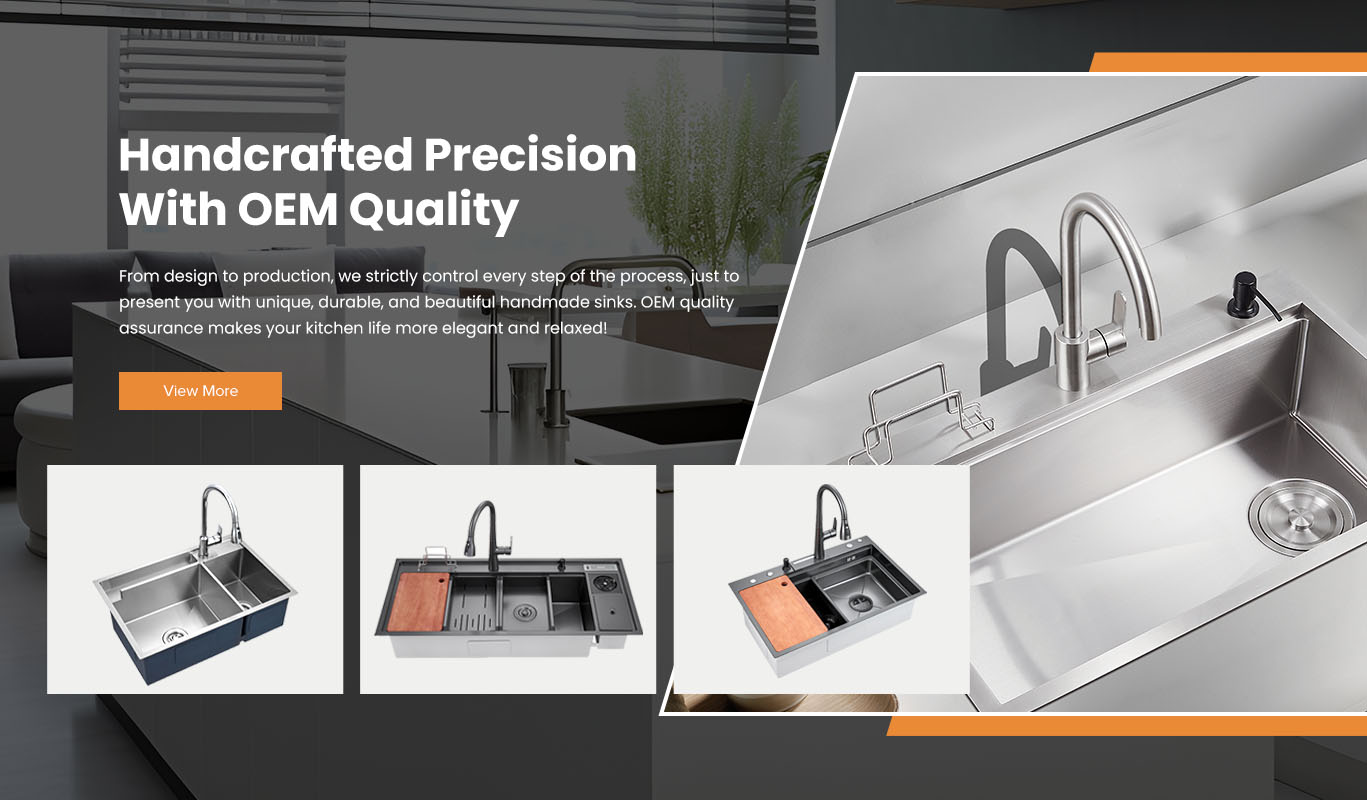
As a stainless steel sink manufacturer, SHUNHAN focuses on material selection, handmade sink forming, welding, grinding, polishing, edge finishing, and final inspection. A stable brushed stainless steel finish depends on controlled polishing direction, even surface texture, smooth corners, and careful packaging. For bulk order projects, our team can support different bowl sizes, installation types, thickness options, drainboard designs, and finish requirements. A well-made sink should not only look clean when installed, but also remain easy to maintain after long-term use. We can help review your target market, project usage, sink size, packaging needs, and OEM/ODM customization requirements, then recommend a suitable stainless steel sink solution for kitchens, apartments, hotels, and commercial spaces.