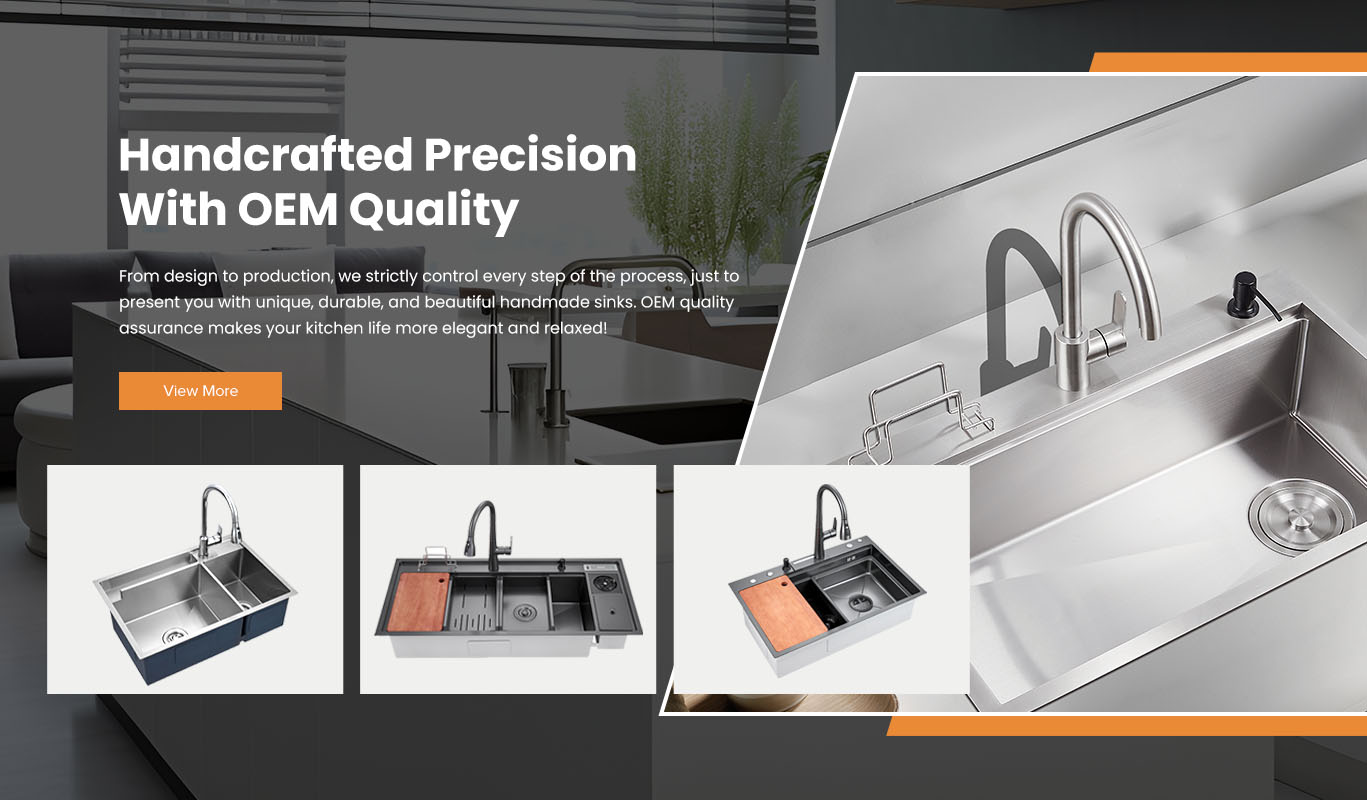
Using steel wool on a stainless steel sink requires caution. While it may seem effective for removing tough stains or residue, improper use can cause scratches, rust marks, and permanent dulling of the surface. For premium sinks like those from Shunhan Sink, correct cleaning methods help preserve the polished appearance and long-term durability.
Stainless steel sinks are usually made from 304 or 316-grade steel, known for corrosion resistance and a brushed or polished finish. This surface has a protective chromium oxide layer that prevents rust. Harsh abrasives such as coarse steel wool can damage this layer, leaving the sink vulnerable to stains and oxidation.
If absolutely necessary, only use ultra-fine (0000-grade) steel wool, and do so gently.
Guidelines:
Use steel wool only for isolated spots of hard water buildup or burnt residue.
Always scrub along the direction of the sink’s grain, never in circular motions.
Apply light pressure with soapy water to lubricate the surface.
Rinse immediately to remove steel fragments.
Fine steel wool can help polish minor marks, but repeated use will eventually dull the finish.
| Risk | Description |
|---|---|
| Surface Scratching | Coarse fibers can leave permanent marks, especially on brushed finishes. |
| Rust Stains | Carbon particles from steel wool can oxidize, leaving brown stains on the sink. |
| Loss of Shine | Repeated abrasion removes the natural luster of stainless steel. |
| Weakened Protective Layer | Damage to the chromium oxide film exposes the steel to corrosion over time. |
For this reason, most manufacturers recommend avoiding steel wool whenever possible.
Instead of steel wool, use cleaning materials designed for stainless steel maintenance:
Non-scratch nylon pads for everyday cleaning.
Baking soda paste (mix with water) for light scrubbing.
White vinegar to remove limescale or hard water deposits.
Soft microfiber cloths for polishing and drying.
Stainless steel cleaner or polish for restoring shine.
These methods effectively remove residue without scratching or weakening the surface.
Rinse the sink with warm water.
Apply mild dish soap or a baking soda paste.
Scrub with a soft sponge or nylon pad along the grain.
Rinse thoroughly to remove residue.
Dry with a microfiber cloth to prevent water spots.
Routine cleaning after each use prevents the buildup of deposits that might otherwise require abrasive tools.
Shunhan Sink manufactures high-quality stainless steel sinks designed to resist corrosion, staining, and dulling. To extend their lifespan:
Avoid coarse steel wool or wire brushes.
Clean with mild, non-chloride detergents.
Rinse and dry after every use to maintain sheen.
Use a protective sink grid or mat to reduce contact scratches.
By following these steps, your sink will retain its professional finish and long-lasting appeal.
Steel wool is not recommended for stainless steel sinks except in rare cases using ultra-fine (0000) grade.
Scrubbing along the grain and immediate rinsing are crucial to prevent damage.
Safer alternatives like baking soda, vinegar, and microfiber cloths provide the same results without risk.
For consistent shine and protection, choose proper care methods approved for high-quality stainless steel products like those from Shunhan Sink.
Durability and beauty last longest when maintained correctly.