Rust stains on a stainless steel kitchen sink are usually caused by iron particles, wet metal tools, hard water minerals, or chlorine-based cleaners left on the surface. Stainless steel contains at least 10.5% chromium, which helps form a protective anti-corrosion layer, but contamination can still create visible stains.
Use warm water first, then apply baking soda paste or mild detergent. Wipe along the brushed grain with a soft cloth, rinse fully, and dry the sink surface. Avoid steel wool, bleach, strong acid cleaner, and rough pads.
| Stain Type | Cleaning Method |
|---|---|
| Light rust stain | Baking soda paste |
| Water mineral mark | Mild detergent |
| Metal transfer stain | Non-scratch sponge |
| Repeated stain | Dry surface after use |
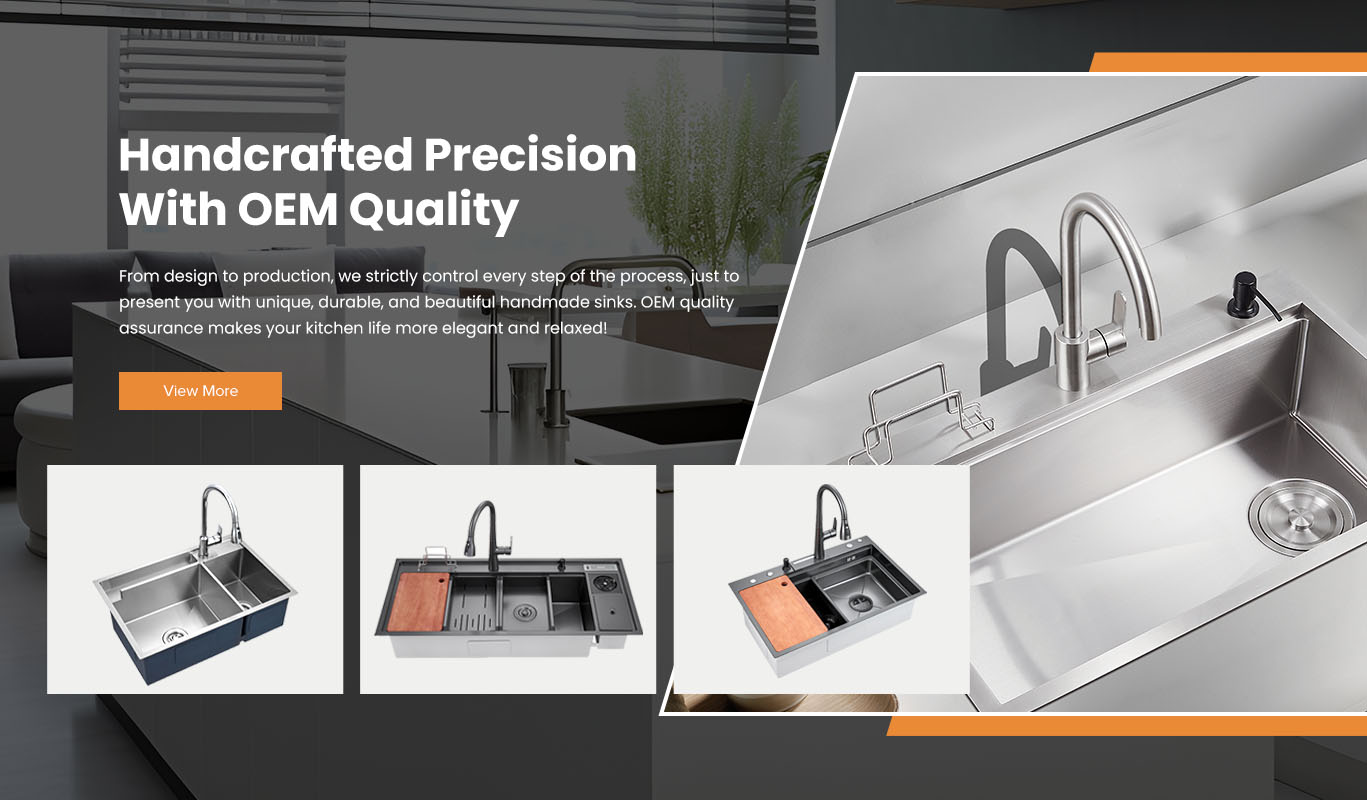
Rust-related complaints are not only cleaning issues. A trader usually provides finished sinks, while a stainless steel sink manufacturer can control steel grade, thickness, forming, welding, polishing, cleaning, accessories, and packaging.
Our team supports OEM / ODM process development for sink size, bowl depth, mounting type, surface finish, drain position, sound pad, coating, logo, carton design, and export documents. This helps improve consistency for bulk supply considerations and project orders.
The manufacturing process overview includes stainless steel sheet cutting, bowl stretching or handmade forming, welding, grinding, polishing, surface cleaning, drain fitting check, sound pad application, packing, and final inspection.
Quality control checkpoints include material verification, thickness check, bowl dimension accuracy, welding strength, surface scratch inspection, edge smoothness, drainage hole accuracy, leakage test, carton strength, and label accuracy.
SUS304 stainless steel commonly contains about 18% chromium and 8% nickel, offering better corrosion resistance for kitchen sink use. Material standards used should be confirmed before production, especially for humid kitchen environments.
For export market compliance, buyers should confirm steel grade, gauge, surface finish, accessory standard, installation manual, carton marks, packaging protection, and destination market requirements.
A practical project sourcing checklist should include sink type, steel grade, thickness, finish, bowl size, drain position, MOQ, lead time, sample approval, packaging method, and after-sales support.
Proper cleaning can remove most rust stains, while stable material selection and controlled manufacturing help reduce repeated problems from the beginning.