Latex paint on a stainless steel sink should be removed with a method that softens the paint first and protects the brushed surface at the same time. Because latex paint is water based, warm water with mild detergent is usually the first step. Stainless steel cleaning guidance also notes that soap or mild detergent with warm water is suitable for regular cleaning, while stronger paint residue may require a tested solvent-based remover used with care.
Start by soaking the painted area with warm soapy water for several minutes. When the paint begins to soften, wipe with a microfiber cloth or use a plastic scraper gently along the grain. If dried residue remains, apply a small amount of rubbing alcohol to a cloth and test a low-visibility area first. After removal, rinse with clean water and dry fully. This approach is widely recommended for water-based paint on stainless steel because aggressive metal tools can scratch the finish.
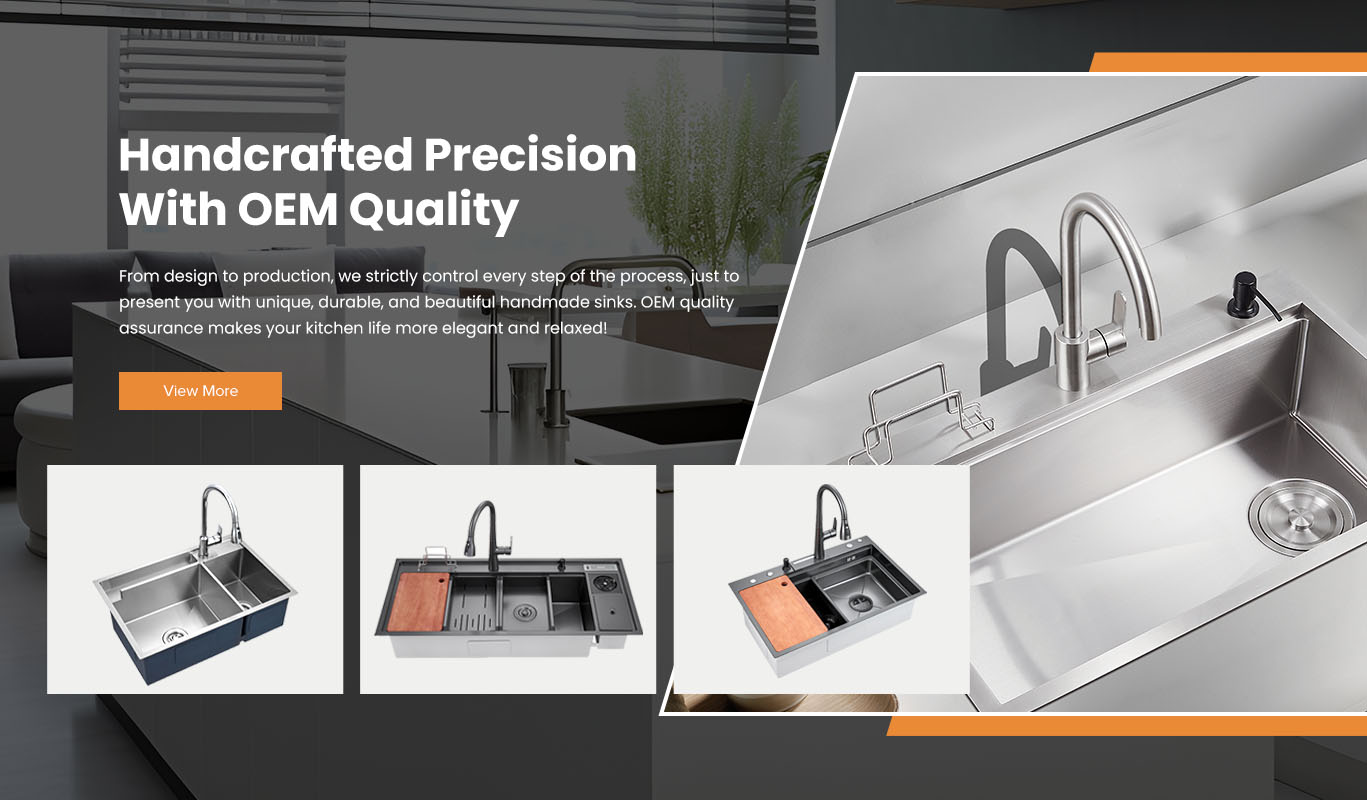
A good result also depends on the sink material itself. SHUNHAN states that its sink products are made from 304 stainless steel and supports OEM and ODM production. In stainless steel applications, ASTM A240 is a widely used material standard for 304 sheet and plate, and 304 is valued for corrosion resistance, formability, and weldability. That is why a quality 304 stainless steel sink usually tolerates proper cleaning better during long-term use.
This is where an OEM sink manufacturer has a clear advantage over a trader. A trader may only offer general care advice, while a real kitchen sink factory can explain surface finish direction, sheet grade, protective film type, and post-installation cleaning guidance. SHUNHAN presents itself as a manufacturer focused on customized sink production, which is more helpful when buyers need stable finish quality across repeat orders.
In stainless steel sink manufacturing, paint cleanup issues are often linked to surface finish consistency, protective film choice, and packing control. A stronger manufacturing process overview should include raw material inspection, forming, welding, grinding, brushing, protective film application, final cleaning, and carton inspection. Quality control checkpoints should confirm no residue, no scratches, and no film marks before shipment, especially for bulk sink supply. These details matter much more in project orders than in single-piece purchases.
For bulk supply, project sourcing should confirm steel grade, finish sample approval, label adhesive performance, film removal behavior, and export packing strength. A practical project sourcing checklist should also include cleaning instructions inside shipment documents. SHUNHAN’s OEM and ODM process is valuable here because factory-side control helps align product finish, logo, packaging, and export market compliance in one workflow.
| Checkpoint | What to confirm |
|---|---|
| Paint removal | Warm soapy water first, then alcohol if needed |
| Surface protection | Microfiber cloth or plastic scraper only |
| Material grade | 304 stainless steel |
| OEM and ODM process | Finish, logo, packaging, labeling support |
| Bulk supply considerations | Film consistency and carton protection |
| Quality control checkpoints | No residue, no scratches, clean final surface |
Latex paint can be removed safely, but long-term sink performance starts with material quality and factory control. SHUNHAN’s strength in 304 stainless steel sink production, customized manufacturing, and export-ready quality management helps reduce surface problems before the products ever reach the job site.