
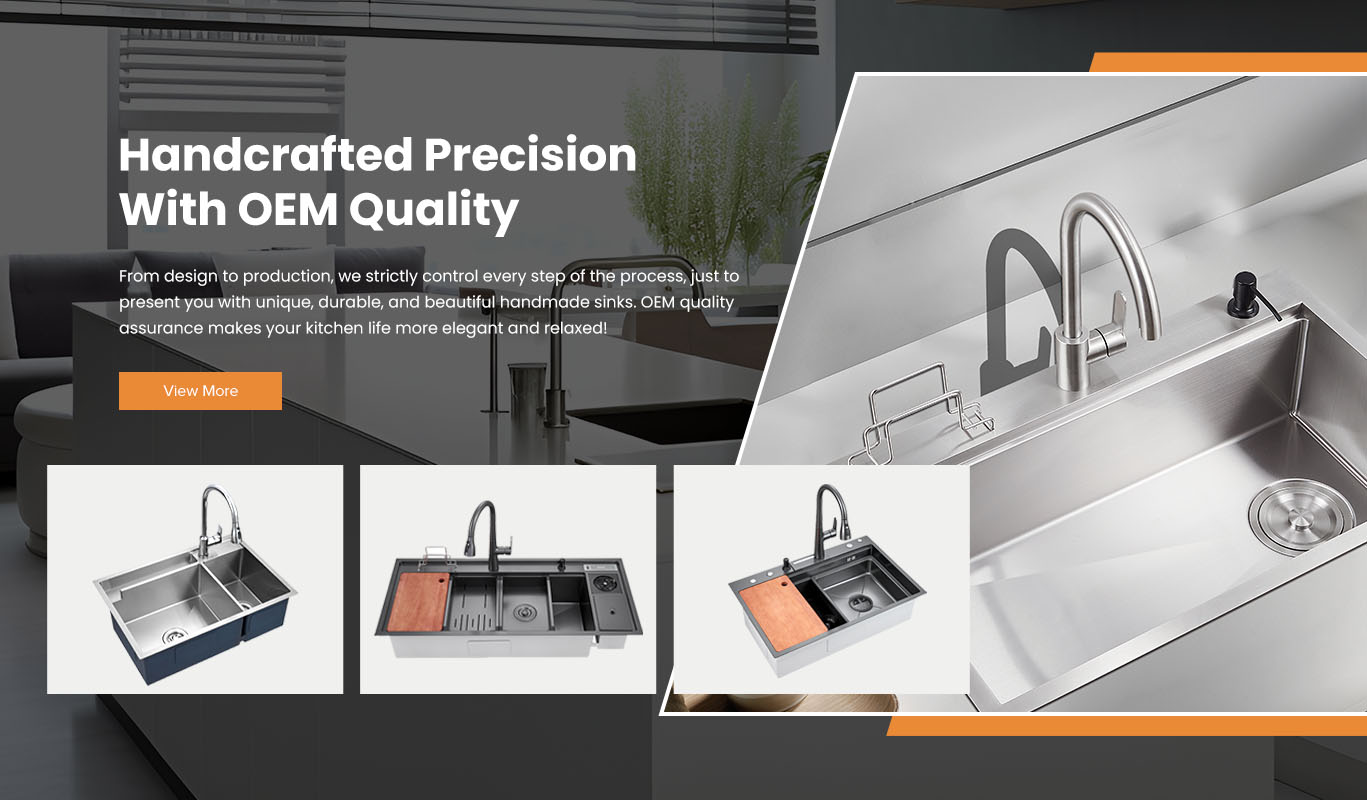
A quartz sink is not always better than stainless steel. Each material has advantages depending on what you value most in a kitchen sink. Quartz sinks usually offer better scratch resistance, quieter operation, and more design options, while stainless steel sinks are more affordable, easier to install, and highly resistant to heat and impact.
The better choice depends on your priorities such as durability, maintenance, appearance, and budget.
Durability Comparison
Quartz composite sinks are made from a mixture of natural quartz and resin, creating a dense and hard material. This structure gives quartz sinks strong resistance to scratches and dents from cookware or utensils.
However, stainless steel sinks are more flexible and resistant to strong impacts. If a heavy pan is dropped into the sink, stainless steel is less likely to crack, while quartz sinks may chip or break under extreme impact.
Summary of durability:
Material | Key Strength
Quartz | Scratch and dent resistance
Stainless steel | Impact resistance and flexibility
Noise And User Experience
Quartz sinks are significantly quieter during use. The dense stone-like material absorbs vibration from running water and dishes, reducing noise in the kitchen.
Stainless steel sinks, especially thinner ones, can produce more noise when water or cookware hits the basin. Many modern stainless sinks include sound-dampening pads to reduce this issue.
Appearance And Design Options
Quartz sinks offer greater design flexibility. They are available in many colors such as black, gray, white, and beige, allowing them to match countertops or create a decorative contrast in the kitchen.
Stainless steel sinks typically have a metallic finish, which provides a professional and modern appearance but fewer color choices.
Maintenance And Cleaning
Quartz sinks usually hide water spots and fingerprints better because of their matte surface. Their non-porous material also resists stains from coffee, wine, and cooking oils.
Stainless steel sinks are easy to sanitize and clean with simple detergent, but they often show water spots, streaks, and fingerprints more clearly.
Heat Resistance
Stainless steel performs better when exposed to extreme heat. It can tolerate hot cookware and rapid temperature changes without damage.
Quartz sinks can handle normal kitchen temperatures, but sudden temperature changes or extremely hot cookware may cause damage if proper care is not taken.
Installation And Cost
Stainless steel sinks are lightweight and easy to install. They are also generally more affordable, which is why they remain the most common kitchen sink material.
Quartz sinks are heavier and may require stronger cabinet support and professional installation. They are usually more expensive than standard stainless steel models.
Conclusion
Quartz sinks are not universally better than stainless steel sinks. Quartz offers advantages in scratch resistance, noise reduction, and design flexibility, while stainless steel provides better heat resistance, lower cost, and easier installation.
For kitchens focused on design and quiet performance, quartz sinks can be an excellent choice. For practical durability, affordability, and everyday reliability, stainless steel remains one of the most widely used sink materials.