
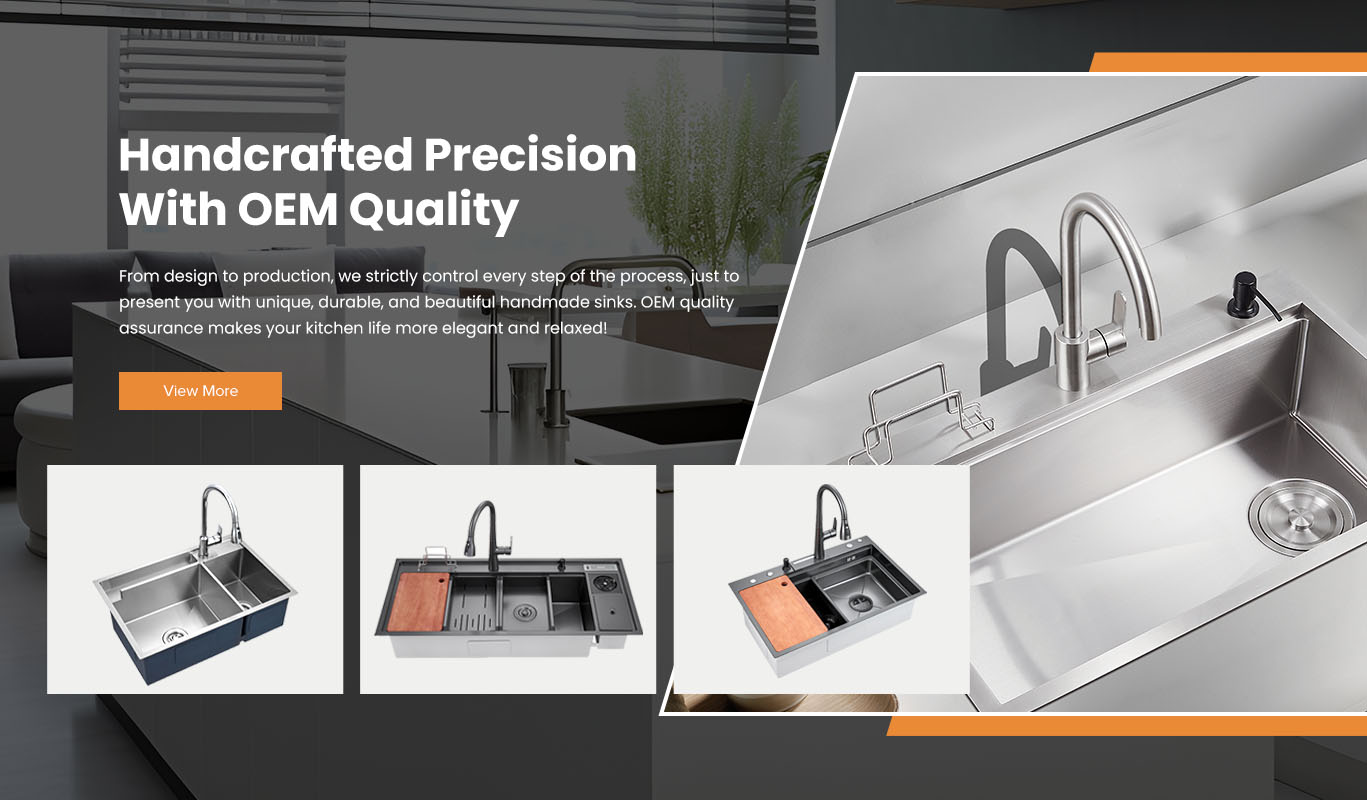
Can Bleach Be Used On Stainless Steel Sinks
Bleach can clean and disinfect surfaces effectively, but it is generally not recommended for regular use on stainless steel sinks. Bleach contains chlorine, which can react with stainless steel and weaken the protective chromium layer on the surface. Over time, repeated exposure may cause discoloration, pitting, or corrosion.
Although a single brief exposure may not immediately damage the sink, frequent use of bleach can gradually reduce the durability and appearance of stainless steel.
Why Chlorine Can Damage Stainless Steel
Stainless steel remains corrosion-resistant because chromium forms a protective oxide layer on the surface. Chlorine-based chemicals such as bleach can break down this protective layer, making the metal more vulnerable to rust or surface damage.
If bleach remains on the sink surface for a long time, the risk of corrosion increases, especially around scratches or seams where the protective layer may already be weakened.
What To Do If Bleach Is Accidentally Used
If bleach is accidentally applied to a stainless steel sink, the best step is to rinse the sink immediately with plenty of clean water. This helps remove the chemical before it can react with the metal surface.
After rinsing, the sink should be dried with a soft cloth to prevent water spots and reduce the possibility of residue remaining on the surface.
Safer Cleaning Alternatives
For regular cleaning, milder products are usually safer for stainless steel sinks. Warm water and dish detergent can remove most grease and food residue without affecting the metal surface.
White vinegar can help dissolve mineral deposits and water spots, while baking soda can gently remove stubborn stains. These cleaning methods maintain the sink’s appearance without damaging the protective layer.
Avoid Harsh Cleaning Chemicals
In addition to bleach, other harsh chemicals should also be avoided when cleaning stainless steel sinks. Products containing chlorine, strong acids, or abrasive ingredients may damage the surface over time.
Using soft cloths or non-abrasive sponges with mild cleaning solutions helps maintain the finish and extend the lifespan of the sink.
Importance Of Stainless Steel Material Quality
The durability of a kitchen sink also depends on the stainless steel material used during manufacturing. High-quality sinks are often produced from 304 stainless steel, which contains chromium and nickel that improve corrosion resistance.
This material is widely used in kitchen sink manufacturing because it performs well under daily exposure to water, detergents, and household cleaning products.
Manufacturing Process And Quality Control
Professional sink manufacturers follow controlled production processes to ensure durability and corrosion resistance. Typical processes include stainless steel sheet forming, welding, surface brushing or polishing, and structural reinforcement.
Quality inspection during production helps verify surface finish, dimensional accuracy, and structural strength. These steps ensure that the sink maintains long-term performance in kitchen environments.
Manufacturer Vs Trader In Sink Procurement
When sourcing stainless steel sinks for distribution or construction projects, working with manufacturers often provides advantages in quality control and customization capability. Manufacturers manage raw material selection, production processes, and inspection standards.
They can also provide OEM and ODM production services, allowing buyers to customize sink designs, finishes, and packaging according to market requirements.
Bulk Supply And Export Considerations
For wholesalers, retailers, and project contractors, stable production capacity and consistent quality are key factors when selecting suppliers. Experienced manufacturers can support large-volume orders while maintaining strict quality standards.
Export-oriented manufacturers also ensure that their products meet the material and manufacturing expectations of international markets.
Conclusion
Bleach is not the best cleaning option for stainless steel sinks because chlorine can damage the protective surface layer over time. Regular use may lead to discoloration or corrosion.
Using mild cleaning solutions such as warm water, detergent, vinegar, or baking soda is a safer way to maintain stainless steel sinks. High-quality sinks made from materials such as 304 stainless steel and produced through controlled manufacturing processes provide strong durability and long-term performance in kitchen environments.