White stains on stainless steel sinks are usually caused by mineral deposits left behind when water evaporates. Hard water contains minerals such as calcium and magnesium that remain on the surface after the water dries. Over time, these deposits accumulate and create white spots or cloudy marks on the sink.
Although stainless steel is resistant to corrosion and staining, regular cleaning is necessary to maintain its smooth appearance and prevent mineral buildup.
For light white stains, cleaning with warm water and mild dish detergent is often effective. Rinse the sink with warm water to loosen the mineral residue, then gently scrub the area with a soft sponge or cloth.
Cleaning should follow the direction of the stainless steel grain to protect the brushed finish and maintain the original appearance of the sink surface.
White vinegar is highly effective for removing mineral deposits that cause white stains. Apply vinegar directly to the stained area and allow it to sit briefly so it can dissolve the mineral buildup.
Afterward, wipe the surface with a soft cloth and rinse thoroughly with clean water. Vinegar helps restore the natural shine of stainless steel by breaking down the mineral residue.
If the stains remain after using vinegar, baking soda can help remove stubborn buildup. Sprinkle a small amount of baking soda onto the damp sink surface and gently scrub with a soft sponge.
Baking soda works as a mild abrasive that removes deposits without damaging the stainless steel finish. Once the cleaning is complete, rinse the sink with water and dry it with a cloth.
Drying the sink after use is one of the simplest ways to prevent white stains from forming. When water is allowed to evaporate naturally, mineral deposits remain on the surface and create visible spots.
Using a soft cloth to dry the sink helps prevent water marks and keeps the stainless steel surface looking clean.
Steel wool and metal brushes should not be used when cleaning stainless steel sinks. These tools can scratch the surface and damage the protective chromium layer that helps prevent corrosion.
Soft cloths and non-abrasive sponges are recommended for cleaning stainless steel surfaces safely.
The durability and stain resistance of a sink depend largely on the stainless steel material used during manufacturing. High-quality kitchen sinks are commonly produced from SUS304 stainless steel, which contains chromium and nickel that improve corrosion resistance and durability.
This material provides excellent performance in kitchen environments where sinks are exposed to water, detergents, and daily use.
The production of stainless steel sinks typically includes sheet metal forming, welding, surface brushing or polishing, and structural reinforcement. Additional treatments such as anti-condensation coatings and sound insulation layers may also be applied to improve performance and user comfort.
Professional manufacturing processes help ensure that the sink maintains strength, durability, and an attractive surface finish.
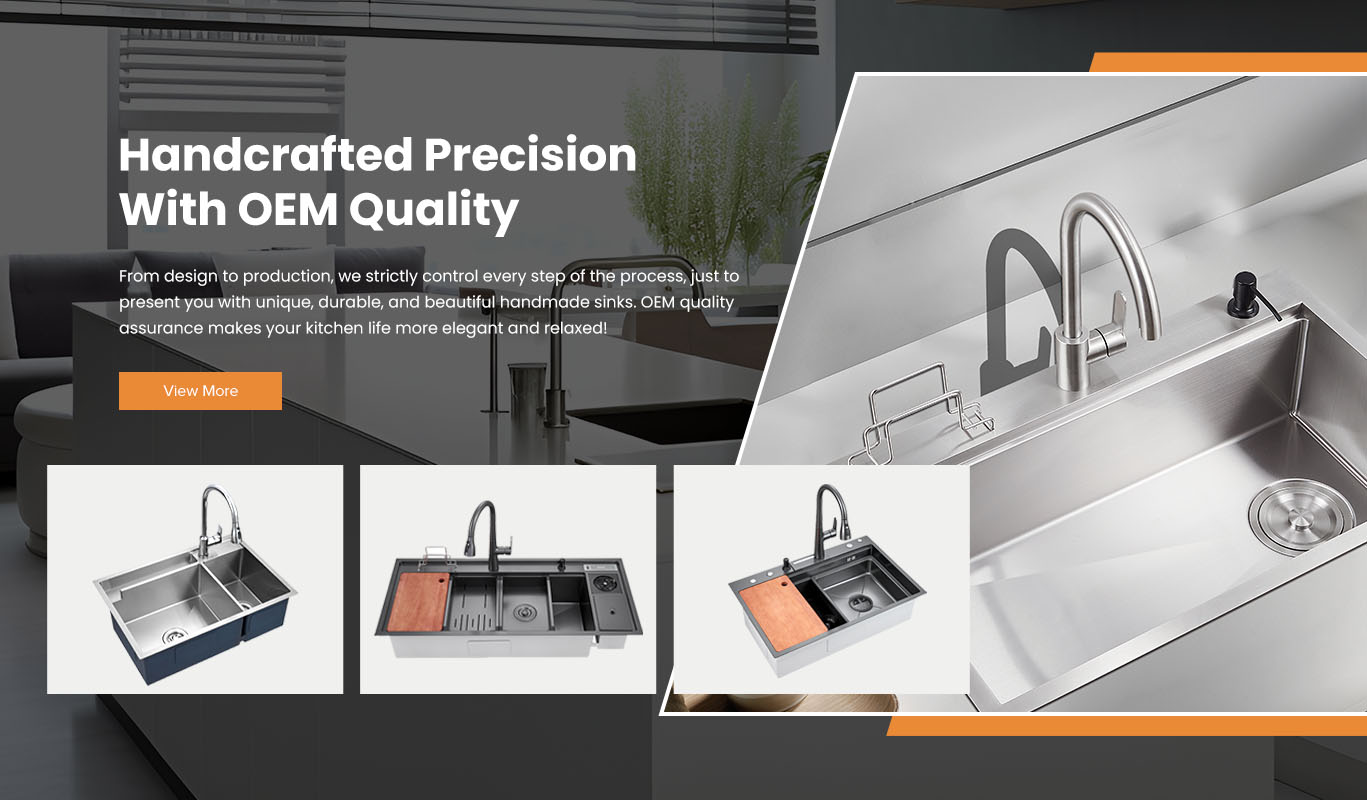
When sourcing stainless steel sinks, buyers often benefit from working directly with manufacturers. Manufacturers control raw material selection, production processes, and quality inspection, which helps maintain consistent product standards.
Manufacturers can also support OEM and ODM production, allowing distributors and project buyers to customize sink dimensions, finishes, packaging, and branding.
For wholesalers, retailers, and construction projects, stable production capacity and consistent product quality are important factors when selecting suppliers. Reliable manufacturers can provide bulk supply while maintaining consistent quality across large orders.
Export-oriented sink manufacturers also ensure that their products meet international material standards and manufacturing requirements.
White stains on stainless steel sinks are usually caused by mineral deposits from hard water. Cleaning with warm water, vinegar, and baking soda can effectively remove these stains while protecting the sink’s surface.
high-quality stainless steel sinks made from materials such as SUS304 stainless steel offer strong resistance to corrosion and staining. Controlled manufacturing processes, strict quality inspection, and professional OEM or ODM services help ensure reliable sink solutions for distributors, project buyers, and international markets.