
Why Tea Stains Appear On Stainless Steel Sinks
Tea stains can sometimes appear on stainless steel kitchen sinks after washing teapots, cups, or tea filters. Tea contains natural tannins that can leave brownish marks when they come into contact with metal surfaces, especially if the liquid dries on the sink before it is rinsed away. Hard water minerals may also react with tea residue and make stains more visible.
Although stainless steel is resistant to corrosion and staining, regular cleaning is necessary to maintain its clean and polished appearance.
Clean With Warm Water And Dish Detergent
For light tea stains, warm water and mild dish detergent are usually sufficient. Rinse the sink with warm water to loosen the stain, then apply detergent and gently scrub the surface using a soft sponge or cloth.
Cleaning should follow the direction of the stainless steel grain to avoid visible scratches and maintain the original finish of the sink.
Use Baking Soda For Tough Stains
If the stain is more persistent, baking soda can be used as a gentle cleaning agent. Sprinkle a small amount of baking soda onto the stained area and scrub lightly with a damp sponge.
Baking soda acts as a mild abrasive that helps lift the stain without damaging the stainless steel surface. After cleaning, rinse the sink thoroughly with water and dry it with a soft cloth.
Apply Vinegar To Dissolve Residue
White vinegar is effective for removing stains caused by tannins and mineral deposits. Apply a small amount of vinegar to the stained area and allow it to sit briefly before wiping it away with a cloth.
Vinegar helps dissolve residue and restore the natural shine of the stainless steel surface. After cleaning, rinse the sink with clean water to remove any remaining vinegar.
Avoid Abrasive Cleaning Tools
When removing tea stains from stainless steel sinks, harsh cleaning tools such as steel wool or metal brushes should be avoided. These tools may scratch the surface and weaken the protective chromium layer that gives stainless steel its corrosion resistance.
Using non-abrasive sponges and soft cloths helps protect the surface while effectively removing stains.
Maintain Regular Sink Care
Preventing tea stains is easier than removing them after they develop. After washing tea cups or teapots, rinse the sink with clean water to remove any remaining residue. Drying the sink with a cloth also helps prevent water spots and mineral deposits.
Regular maintenance keeps the sink surface smooth and hygienic.
Material Standards Of Stainless Steel Sinks
The ability of a sink to resist stains and corrosion depends largely on the stainless steel grade used during manufacturing. High-quality kitchen sinks are often made from SUS304 stainless steel, which contains chromium and nickel that enhance corrosion resistance and durability.
This material is widely used in modern kitchen sink manufacturing because it provides strength, hygiene, and long-term reliability.
Manufacturing Process Overview
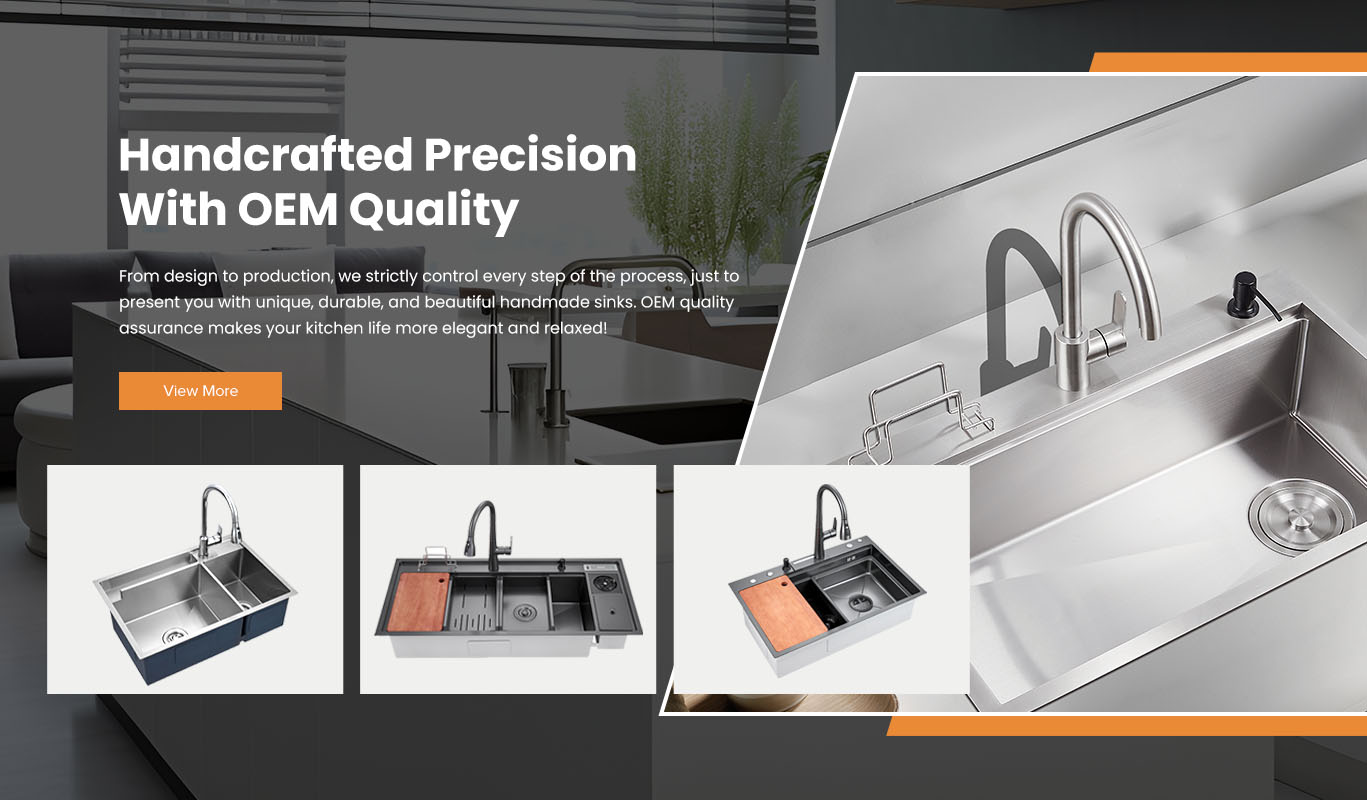
Professional stainless steel sink manufacturing involves several production stages, including stainless steel sheet forming, precision welding, surface brushing or polishing, and structural reinforcement.
Additional features such as anti-condensation coatings and sound insulation layers are often integrated to improve sink performance and user experience. These processes ensure the sink remains durable and resistant to daily kitchen use.
Manufacturer Vs Trader In Sink Procurement
When sourcing stainless steel kitchen sinks, working with a direct manufacturer offers advantages in product consistency and customization capability. Manufacturers control raw material selection, production processes, and quality inspection.
They can also provide OEM and ODM production services, allowing distributors, retailers, and project contractors to customize sink designs, dimensions, finishes, and branding.
Bulk Supply And Export Considerations
For wholesalers, construction projects, and global distributors, stable production capacity and consistent quality are critical factors when selecting suppliers. Manufacturers experienced in export markets can provide reliable production schedules, standardized packaging, and efficient logistics support.
Meeting international material standards and quality requirements ensures that stainless steel sinks perform well in different markets.
Conclusion
Tea stains on stainless steel sinks can be removed using simple cleaning methods such as warm water, mild detergent, baking soda, or vinegar. Gentle cleaning tools help protect the stainless steel surface while restoring its clean appearance.
high-quality stainless steel sinks manufactured with durable materials such as SUS304 stainless steel offer strong resistance to stains and corrosion. Controlled manufacturing processes, strict quality inspection, and professional OEM or ODM production services ensure reliable sink solutions for distributors, project buyers, and international markets.