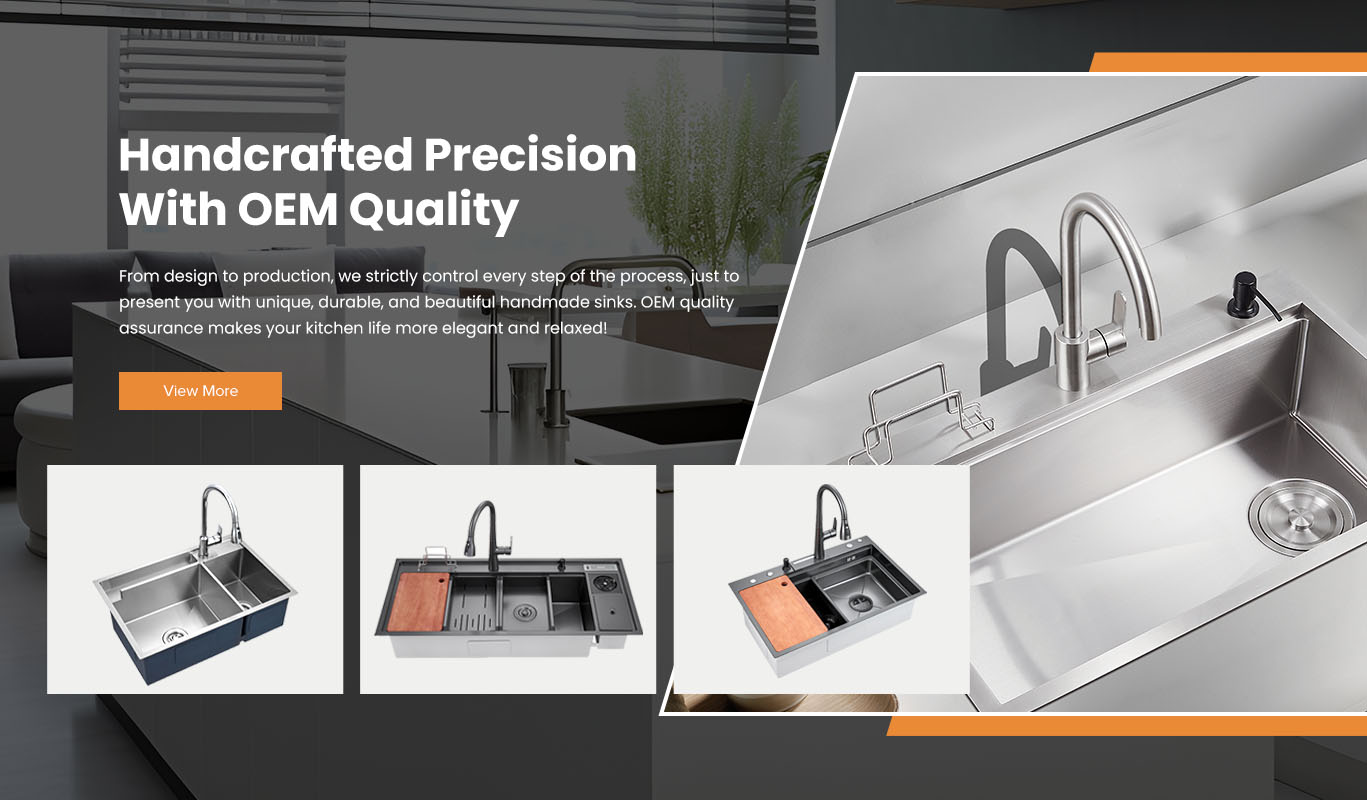
Dry paint on a stainless steel sink can be more than just an eyesore—if treated improperly, attempts to remove it can damage the surface and compromise the sink’s corrosion resistance and finish. For commercial buyers and project specifiers, understanding both the correct maintenance methods and the quality standards behind superior stainless steel sinks is essential.
Before diving into care techniques, it’s useful to understand what sets a true manufacturer apart from a trader in the stainless steel sink industry, particularly when sourcing fixtures for commercial, hospitality, or residential projects.
When evaluating suppliers for stainless steel sinks, distinguishing between a manufacturer and a trader is critical:
A manufacturer invests in tooling, production lines, and engineering resources, giving buyers direct access to customization, strict quality protocols, and scalable output.
A trader typically resells finished goods sourced from third parties, often with limited influence on product specifications.
As a factory-based producer, SHUNHAN Kitchen & Bath Technology Co., Ltd. operates its own production facility with standardized manufacturing lines and engineering staff, ensuring each stainless steel sink component—from undermount models to sinks with integrated drainboards—is produced under direct supervision.
OEM and ODM services are essential for buyers seeking bespoke solutions:
OEM (Original Equipment Manufacturing) enables overseas buyers to have sinks manufactured to exact design, size, and finish requirements.
ODM (Original Design Manufacturing) provides ready-designed products that can be branded or slightly modified.
Your company’s systematic customization process allows the integration of specific dimensions, surface treatments (such as brushed or nano finishes), and accessory options—enabling global partners to enter markets with products that reflect local preferences and regulatory requirements.
Bulk orders are common in large-scale fit-outs such as hotel chains, residential developments, and commercial kitchens. When planning bulk supply, international buyers should consider:
Minimum Order Quantities (MOQs) aligned with production planning
Lead times tied to manufacturing capacity and seasonal demand
Packing standards to reduce transit damage
Your company’s factory output, backed by a structured production schedule and diverse product range, enables reliable volume fulfillment while maintaining consistent delivery timelines.
To ensure project success, buyers should verify the following when sourcing sinks:
Material grade confirmation (e.g., 304 stainless steel for high corrosion resistance)
Compliance with hygiene and safety standards
Customization capabilities (cut-out dimensions, bowl configuration, finish)
Quality assurance protocols
Export documentation and compliance
Including these checkpoints early in the procurement process avoids delays and ensures product performance aligns with project specifications.
high-quality stainless steel sink production typically includes:
Material Selection – sourcing certified 304 stainless steel sheets known for corrosion and rust resistance.
Cutting and Forming – automated laser or press equipment shapes bowls and rims.
Welding and Seam Finishing – precision welding to ensure structural integrity.
Surface Treatment – brushing, polishing, or proprietary coating to achieve desired finishes and ease of maintenance.
Protective Treatment – anti-scratch finishes and padding to reduce noise and prevent surface damage.
Robust quality control is indispensable in stainless steel sink manufacturing. Typical checkpoints include:
Material verification using certified steel grades
Dimensional inspection against technical drawings
Surface quality assessment for blemishes, scratches, or inconsistencies
Functional testing of accessories and drain fittings
Packing integrity checks to ensure damage-free shipment
Buyers partnering with a manufacturer who enforces these checkpoints gain confidence in product consistency and performance.
The choice of material influences longevity and performance. Your company’s preference for 304 stainless steel ensures:
Excellent corrosion resistance
Stability against frequent water exposure
Durability under heavy use
These characteristics make 304 stainless steel sinks suitable for both high-end residential kitchens and demanding commercial environments.
For overseas markets, compliance goes beyond product quality:
Certificate of Origin
Export packing lists
Third-party inspection reports
Compliance with destination import regulations
Manufacturers experienced in global trade, like your company, facilitate these compliance processes, offering documentation support and helping streamline customs procedures.
Returning to the original news topic—effectively removing dried paint involves:
Using gentle, non-abrasive tools and solvents appropriate for stainless steel
Avoiding steel wool or harsh acids that can scratch or degrade the surface
Applying mild detergents and soft cloths after paint removal to restore surface finish
Selecting a sink with a high-quality surface finish from production further simplifies maintenance and reduces the risk of damage during cleaning.