Candle wax can accidentally drip into a stainless steel sink during cleaning, decoration removal, or household activities. Once the wax hardens, it can stick firmly to the sink surface and become difficult to remove without scratching or dulling the finish. Using the correct removal method is important to protect the stainless steel’s surface texture and maintain its clean appearance.
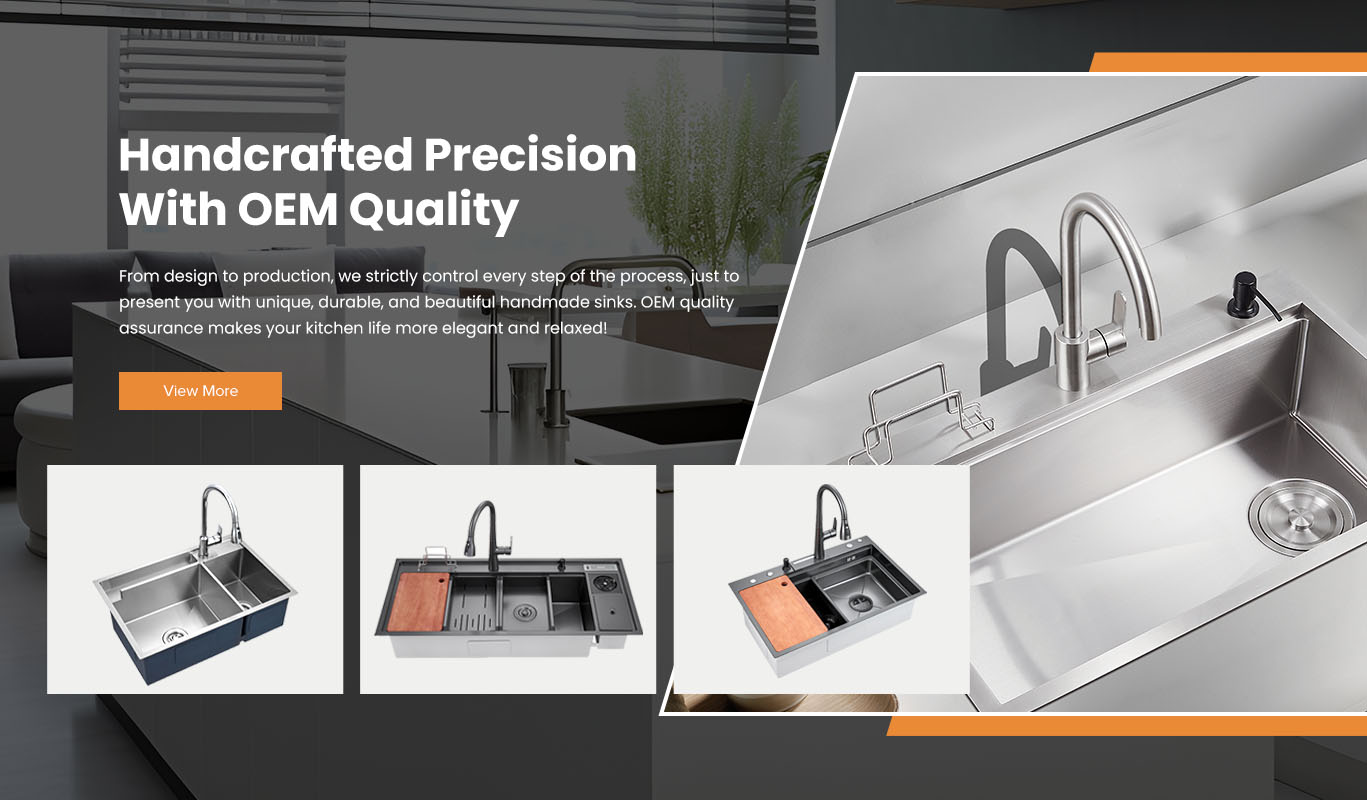
From a manufacturing and surface-engineering perspective, stainless steel sinks are finished with controlled grain textures designed for durability and easy maintenance. Shunhan Sink, as a manufacturer specializing in stainless steel kitchen sinks, produces sinks with refined surface finishing that can withstand proper wax removal techniques without long-term surface damage.
Candle wax adheres to stainless steel because it melts into a liquid and flows into microscopic surface textures before hardening.
Common reasons wax becomes difficult to remove include:
Wax cooling and hardening rapidly
Wax settling along the grain lines
Thick wax layers from repeated dripping
Heat causing wax to bond tightly to the surface
Although stainless steel is non-porous, aggressive scraping can still damage its finish.
Before removal, check whether the wax is fully hardened or still soft.
Soft or semi-soft wax is easier to lift mechanically
Fully hardened wax requires controlled temperature change
Thick wax layers may need gradual removal
Choosing the right method depends on the wax condition.
If the wax is still soft:
Allow it to cool and harden fully
Avoid smearing it across the sink surface
Hardened wax breaks away more cleanly than partially melted wax.
Once the wax is fully solid:
Use a plastic scraper or similar non-metal tool
Lift the wax slowly from the edge
Work along the grain direction
Remove large pieces first
Avoid metal tools, which can scratch the stainless steel surface.
If wax does not lift easily, temperature control can help.
Apply cold water or ice to the wax
Cold causes the wax to contract and loosen
Lift again with a plastic scraper
Apply warm air carefully to soften the wax
Wipe softened wax away with a soft cloth
Avoid overheating the sink surface
Use temperature changes gradually to protect the finish.
After most of the wax is removed, a thin residue may remain.
Clean the area with mild dish detergent
Use a soft cloth or sponge
Wipe gently along the grain direction
Rinse and dry thoroughly
This step removes wax film without dulling the surface.
If slight dullness remains:
Apply a stainless-steel-safe polishing compound
Polish lightly along the grain
Blend the treated area into surrounding surfaces
Light polishing restores uniform reflection and surface consistency.
Final drying improves appearance and prevents new marks.
Wipe with a clean microfiber cloth
Buff along the grain direction
Ensure the sink is completely dry
Drying also prevents water spots from forming during cleanup.
Scraping wax with knives or metal tools
Rubbing softened wax aggressively
Using abrasive pads or powders
Cleaning against the grain
Pouring boiling water directly onto wax
These actions can permanently damage the stainless steel finish.
Simple habits reduce future wax-related issues.
Keep candles away from sink areas
Clean wax drips promptly before buildup
Use protective covers when cleaning decorative items
Avoid letting melted wax cool directly on the sink
Early removal is always easier and safer.
From a manufacturing standpoint, wax removal is easier on well-finished surfaces.
high-quality stainless steel sinks offer:
Uniform grain structure
Smooth surface transitions
Reduced residue adhesion
Easier restoration after cleaning
Shunhan Sink manufactures stainless steel sinks with controlled forming and precision surface finishing to support safe wax removal and long-term appearance preservation when correct care practices are followed.
Removing candle wax from a stainless steel sink involves allowing the wax to harden, lifting it gently with non-metal tools, using controlled temperature changes when needed, and cleaning residue along the grain. When done correctly, wax can be removed without scratching or dulling the sink.
Stainless steel sinks engineered with consistent materials and refined surface finishes—such as those produced by Shunhan Sink—maintain their appearance and durability best when wax removal and daily maintenance follow proper, surface-safe procedures.