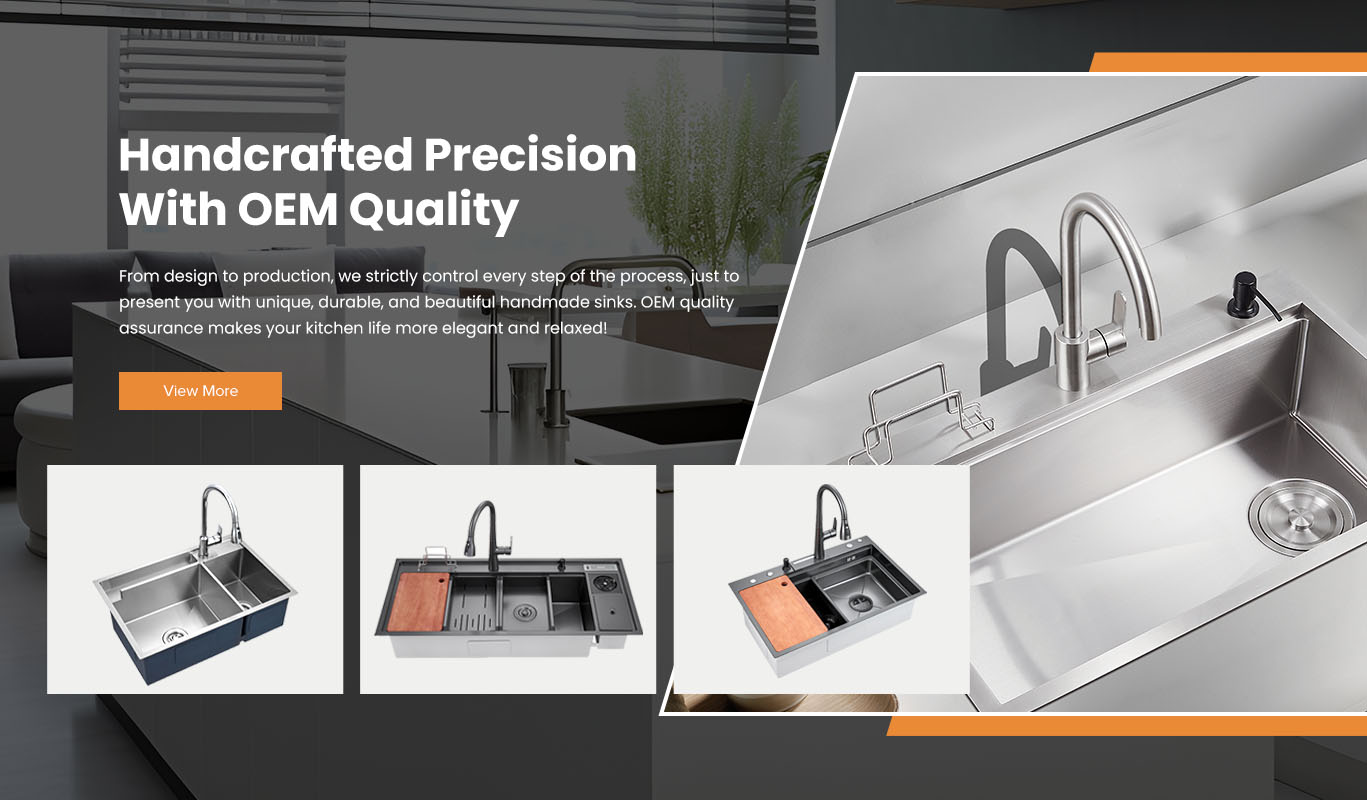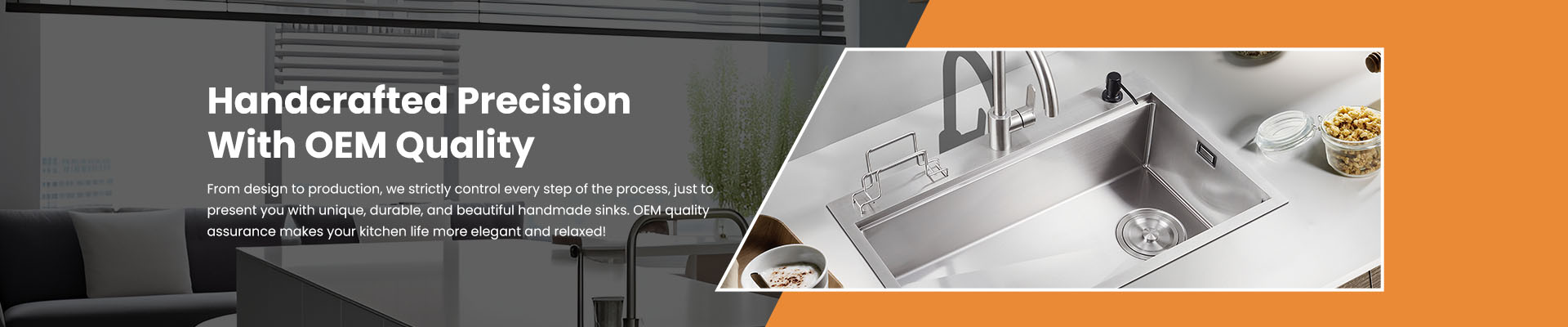
A stainless steel sink is designed for durability, hygiene, and long-term daily use, but its appearance and performance depend heavily on proper protection and care. Without correct habits, stainless steel sinks can develop scratches, stains, dullness, or surface contamination over time. Protecting the sink is not about avoiding use, but about using and maintaining it in ways that preserve surface integrity and corrosion resistance.
From a manufacturing and application perspective, stainless steel sinks are engineered with specific material grades and surface finishes to balance strength and ease of maintenance. Shunhan Sink, as a manufacturer specializing in stainless steel kitchen sinks, produces sinks with controlled forming, welding, and surface finishing that perform best when paired with correct protection practices in daily use.
Stainless steel sinks do not require coating or sealing in the traditional sense. What needs protection is the surface condition that gives stainless steel its corrosion resistance and clean appearance.
Key elements to protect include:
The chromium-rich surface layer
The brushed or satin grain finish
Welded corners and drain areas
Flat bottom surfaces exposed to standing water
Maintaining these areas prevents most common sink problems.
Moisture is one of the main contributors to staining and surface contamination.
Wipe the sink dry after washing dishes
Remove standing water from the bottom
Pay attention to corners and drain edges
Drying prevents mineral deposits, water spots, and residue buildup that dull the surface over time.
Routine cleaning protects the surface from long-term damage.
Use mild detergent suitable for stainless steel
Clean along the grain direction
Rinse thoroughly to remove soap residue
Dry immediately after cleaning
Gentle, consistent cleaning is more effective than aggressive scrubbing.
Incorrect cleaning tools are a major cause of sink damage.
Avoid using:
Steel wool or metal scrubbers
Coarse abrasive pads
Harsh chemical cleaners left on the surface
These can scratch the surface, trap contaminants, and weaken the protective layer.
Daily kitchen activity can create surface wear if precautions are not taken.
Avoid dropping heavy cookware into the sink
Do not drag pots or pans across the surface
Use sink grids or protective mats when handling heavy items
Reducing impact preserves the sink’s grain finish and appearance.
Certain substances accelerate surface degradation.
Rinse away salty or acidic foods
Do not leave food waste sitting in the sink
Flush drain areas after heavy use
Prompt rinsing protects both the sink surface and the drain components.
Contact with other metals can cause surface staining.
Do not leave cast iron cookware in the sink
Remove metal cans or utensils promptly
Dry the sink after metal contact
This prevents transfer of iron particles that may cause rust-like stains.
A thin protective layer helps reduce moisture contact.
Apply a small amount of food-safe oil or stainless steel conditioner
Spread evenly along the grain
Wipe off all excess
This step improves water beading and reduces fingerprinting and spotting.
Some areas require extra care.
High-risk zones include:
Around the drain opening
Near the faucet base
Welded corners and seams
Regular inspection and cleaning of these areas prevent early deterioration.
Daily habits have a long-term impact on sink condition.
Do not use the sink as a cutting surface
Avoid storing cleaning tools inside the bowl
Keep the sink ventilated and dry
Small habits significantly extend the sink’s service life.
From a manufacturing standpoint, protection is easier when the sink is well made.
high-quality stainless steel sinks offer:
Uniform surface grain
Consistent material thickness
Smooth weld transitions
Better resistance to surface contamination
Shunhan Sink manufactures stainless steel sinks using controlled material selection and precision surface processing to support easy maintenance and long-term protection when correct care practices are followed.
Protecting a stainless steel sink involves consistent drying, gentle cleaning, avoiding abrasive tools, preventing metal contamination, and applying light surface protection when needed. These practices preserve the sink’s corrosion resistance, appearance, and hygiene over long-term use.
Stainless steel sinks engineered with quality materials and refined surface finishes—such as those produced by Shunhan Sink—maintain their durability and visual appeal best when daily use is paired with proper protection and maintenance routines.