Drain cleaner stains on a stainless steel sink are a common problem after clearing clogs or slow drainage. Many drain cleaners contain strong alkaline or acidic chemicals that can react with stainless steel surfaces, leaving dull marks, discoloration, or etched-looking stains. If not handled correctly, aggressive cleaning can worsen the damage and permanently affect the sink’s appearance.
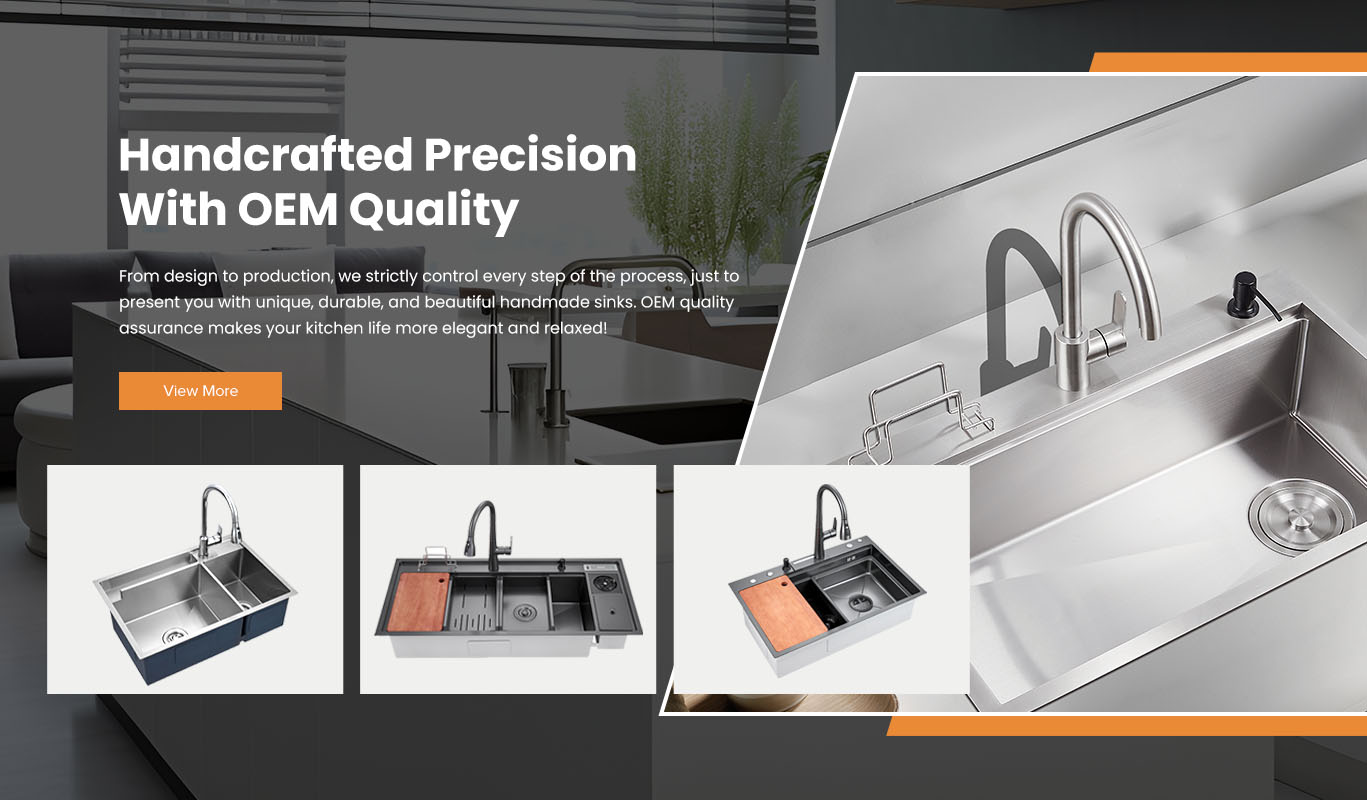
From a manufacturing and material perspective, stainless steel sinks are finished with controlled surface textures designed to balance durability, hygiene, and visual consistency. Shunhan Sink, as a manufacturer specializing in stainless steel kitchen sinks, produces sinks with carefully processed surface finishes that require correct restoration methods when exposed to harsh chemicals.
Drain cleaners are formulated to break down grease, hair, and organic waste. When these chemicals contact stainless steel surfaces, especially if left standing or splashed onto the sink, they can alter the surface layer.
Common causes of staining include:
Prolonged contact with strong chemicals
Splashing during drain cleaning
Incomplete rinsing after use
Heat generated during chemical reactions
These reactions often result in dull patches rather than deep corrosion, making surface restoration possible when handled properly.
Before starting removal, inspect the stained area carefully.
Light stains appear as cloudy or dull spots
Moderate stains may show slight discoloration
Severe stains may look etched but are often surface-level
Understanding the severity helps determine how gentle or intensive the cleaning process should be.
The first step is to remove any remaining chemical residue.
Rinse the stained area thoroughly with warm water
Flush the drain opening to clear residual cleaner
Dry the sink completely with a soft cloth
Neutralizing and removing residue prevents further surface reaction during cleaning.
Start with the least aggressive method.
Apply a mild dish detergent to the affected area
Use a soft sponge or cloth
Wipe gently along the grain of the stainless steel
Rinse and dry thoroughly
This step removes surface film and reveals the true extent of staining.
For visible stains that remain:
Apply a stainless-steel-safe polishing agent
Rub gently along the grain direction
Use light, even pressure
Avoid circular scrubbing
Polishing helps restore uniform reflection and reduce the appearance of chemical marks.
If stains are still visible:
Repeat polishing in short intervals
Focus only on the affected area
Blend outward along the grain to avoid uneven appearance
Patience is essential. Overworking a single spot can create visible texture differences.
After stain removal:
Use a clean, dry microfiber cloth
Buff the area along the grain
Remove any remaining residue
Buffing restores brightness and evens out the surface finish.
To help prevent future staining:
Apply a thin layer of food-safe oil or stainless steel conditioner
Spread evenly along the grain
Wipe off excess completely
This step reduces water spotting and creates a temporary protective barrier.
Using steel wool or metal scrubbers
Scrubbing against the grain
Applying harsh abrasives
Leaving cleaning agents on the surface
Attempting to sand the stain aggressively
These actions can permanently damage the stainless steel finish.
Simple habits significantly reduce the risk of future staining.
Rinse the sink immediately after using drain cleaners
Avoid pouring chemicals directly onto the sink surface
Dry the sink after heavy cleaning
Use protective gloves to control splashing
Preventive care protects both appearance and surface integrity.
From a manufacturing standpoint, stain removability depends on surface consistency.
high-quality stainless steel sinks offer:
Uniform grain structure
Better resistance to chemical marking
Easier restoration of surface finish
Longer-lasting visual performance
Shunhan Sink manufactures stainless steel sinks with refined surface processing to support effective restoration and long-term durability when correct cleaning methods are applied.
Removing drain cleaner stains from a stainless steel sink requires gentle, controlled cleaning and polishing along the grain direction. By neutralizing residue, avoiding abrasive tools, and restoring surface uniformity, most chemical stains can be significantly reduced or eliminated.
Stainless steel sinks engineered with consistent materials and precision finishing—such as those produced by Shunhan Sink—retain their appearance and performance best when chemical exposure is addressed promptly using surface-safe maintenance practices.