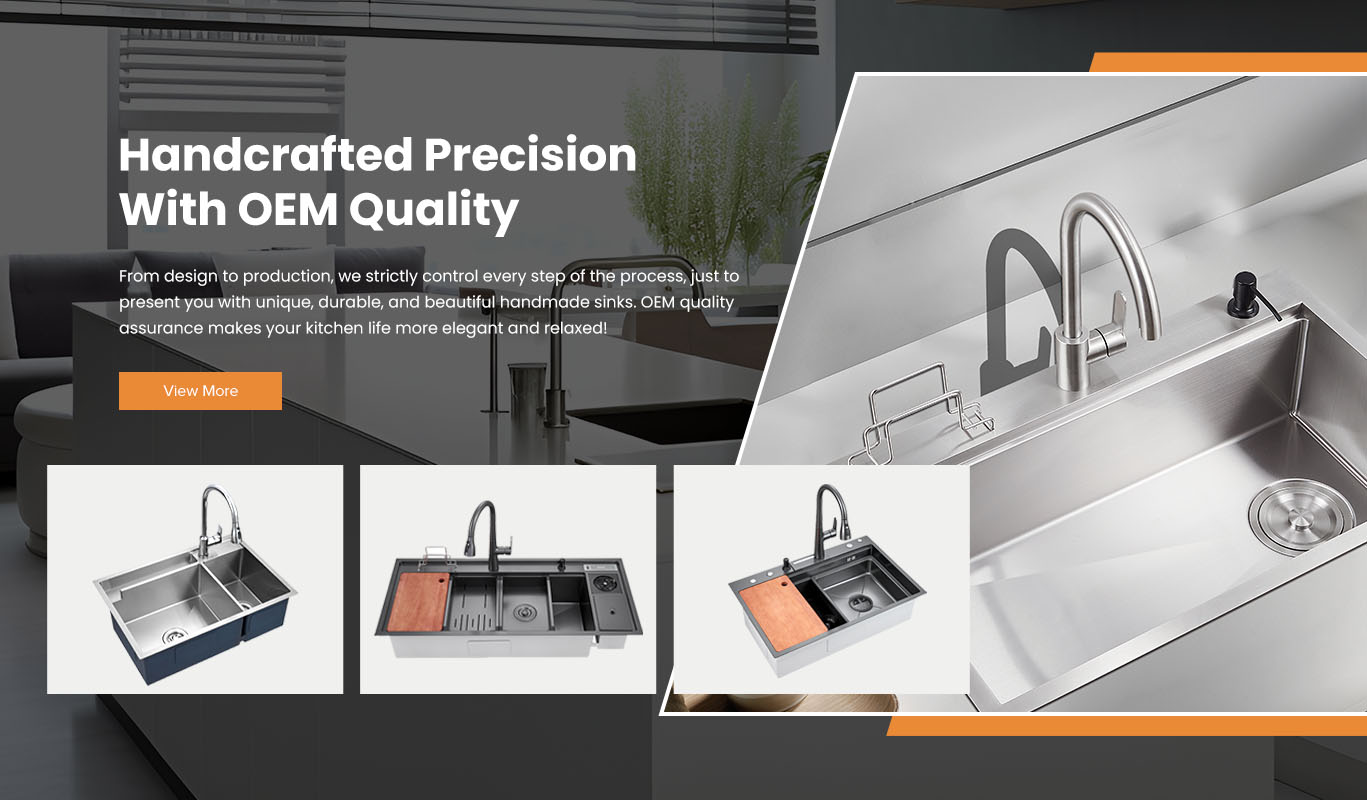
A stainless steel sink can be refinished, and this process is often used to restore its appearance, remove scratches, and improve surface uniformity. Refinishing does not involve applying paint or thick coatings; instead, it refreshes the natural metal surface through cleaning, sanding, polishing, and buffing. When done correctly, refinishing can extend the lifespan of the sink and restore a clean, attractive finish.
Minor to moderate scratches can be blended into the surrounding metal. Through controlled sanding and polishing, the surface becomes more uniform.
Over time, stainless steel can look faded or uneven due to frequent use. Refinishing restores shine, smoothness, and clarity.
Stubborn mineral deposits can leave cloudy marks. Refinishing helps eliminate buildup that regular cleaning cannot remove.
Rather than replacing a structurally sound sink, refinishing provides a more cost-effective solution while maintaining durability.
Before refinishing, the sink is thoroughly cleaned to remove grease, mineral build-up, residue, and stains.
This prepares the surface for polishing and sanding.
Different levels of abrasive pads or sandpaper are used to gradually smooth scratches.
The process moves from coarser grit to finer grit to achieve an even finish.
Metal polish helps restore shine and refine the texture.
Polishing compounds bring back the smooth, reflective surface typical of stainless steel.
A final buffing step enhances clarity and removes fine lines left by sanding.
This gives the sink a uniform, refreshed appearance.
Some refinishing techniques recreate a brushed or satin look, which hides future scratches and gives the sink a consistent texture.
If the sink has dents from heavy impacts, refinishing cannot remove them. Metal forming or sink replacement is required.
While stainless steel resists corrosion, severe damage cannot be repaired by polishing alone.
Refinishing is only for surface restoration. Any structural damage makes replacement necessary.
Refinishing is significantly cheaper than installing a new sink, especially for thick or custom-built stainless steel sinks.
A refinished sink looks cleaner, brighter, and more modern, improving the overall appearance of the kitchen.
Stainless steel becomes smoother and easier to maintain after refinishing. The process helps preserve durability.
Refinishing reduces waste by extending the life of an existing sink.
Avoid harsh abrasives and chlorine-based products to preserve the refinished surface.
Regular rinsing prevents mineral buildup and keeps the sink clear.
Drying helps reduce water spots and maintains shine.
Bottom grids help prevent scratches from pots and utensils.
A stainless steel sink can absolutely be refinished, and the process is effective for removing scratches, restoring shine, and improving the overall appearance. While refinishing cannot repair structural damage, it is an excellent solution for sinks that are worn, dull, or scratched but otherwise functional. With proper refinishing and maintenance, a stainless steel sink can look new again and continue performing well for many years.