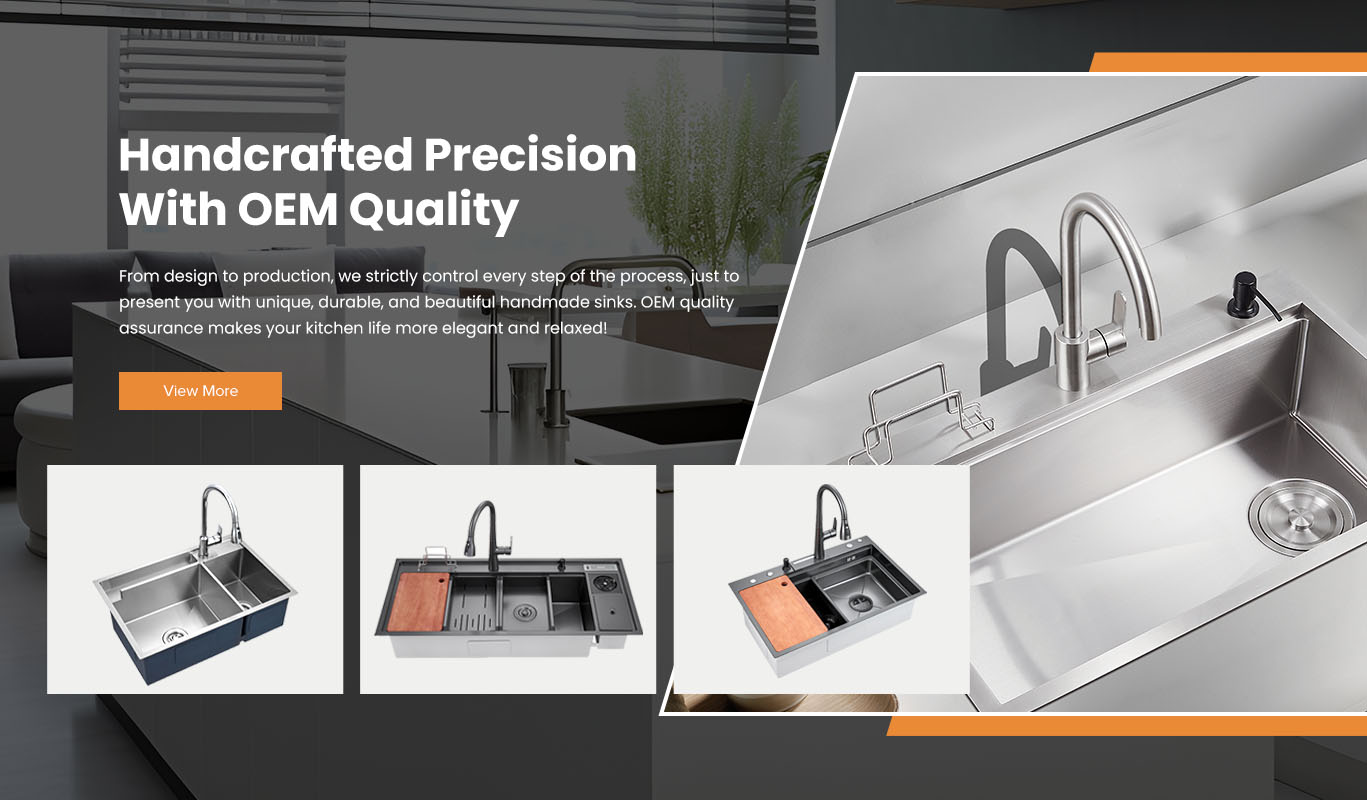
Stainless steel kitchen sinks are widely used in residential and commercial kitchens because they offer a strong balance of durability, hygiene, and ease of maintenance. They are designed to withstand daily washing, heavy cookware, and constant exposure to water while remaining functional for many years. For most households, stainless steel is considered one of the most practical and reliable sink materials.
Stainless steel sinks resist rust, corrosion, and staining. They maintain structural integrity even under frequent use, making them suitable for busy kitchens. Unlike ceramic or cast-iron materials, stainless steel does not crack or chip when exposed to heavy cookware or accidental drops.
A stainless steel sink can handle boiling water and hot cookware without damage. It tolerates sudden temperature changes, which makes it ideal for food preparation tasks that involve heat.
The surface is smooth, non-porous, and resistant to bacteria. Simple daily cleaning keeps the sink sanitary. Stainless steel is less prone to harbor odors or residue, which supports safe food-handling practices.
Compared with stone or composite sinks, stainless steel is lighter. This reduces installation effort and allows for integration into different types of countertops, including wood, laminate, and stone.
Stainless steel sinks are manufactured in a wide range of bowl sizes, depths, and layouts. Options include single bowl, double bowl, undermount, top-mount, and models with integrated drainboards. This versatility matches various kitchen designs and user preferences.
Stainless steel sinks typically offer a long service life at an affordable price. Their balance of durability and cost makes them a smart choice for homeowners seeking long-term value.
Daily use may cause surface scratches, especially when washing metal utensils or pots. While these do not affect functionality, they can create a worn appearance over time.
Mineral deposits may appear as water spots or streaks. Regular wiping and occasional descaling help maintain a clean finish.
Water impact and dish contact may create more noise compared with heavier sink materials. Sound-dampening pads or thicker stainless steel can reduce this effect.
Low-thickness models may dent if struck by heavy cookware. Selecting a thicker gauge improves durability and reduces vibration.
Households that cook frequently benefit from the toughness and heat resistance of stainless steel.
Those who prefer a sink that does not require special cleaning products or delicate care will find stainless steel convenient.
Stainless steel complements many countertop and appliance styles, making it suitable for a wide range of interior designs.
Stainless steel sinks offer strong durability and long service life without the cost of stone or composite sinks.
Stainless steel kitchen sinks are a highly dependable choice due to their durability, heat resistance, hygiene, and long-term value. While they may show scratches and water spots, these cosmetic drawbacks are manageable and do not reduce performance. For most kitchens, stainless steel provides an excellent combination of practicality, affordability, and reliability.