Quartz sinks: made from a composite of crushed quartz stone blended with resin. This creates a hard, non-metallic material that is dense, often colored, and offers a natural-stone aesthetic.
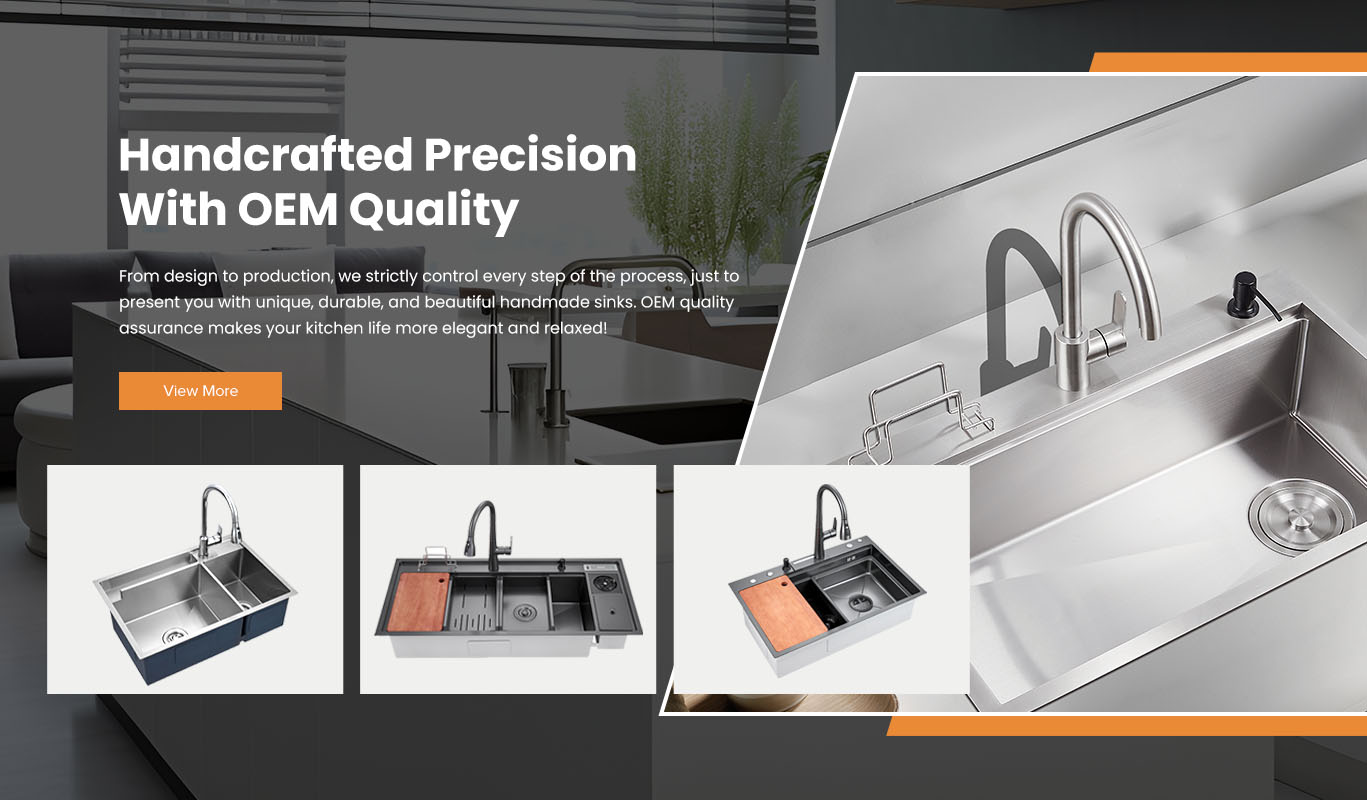
Stainless steel sinks: made from food-grade stainless steel, known for durability, corrosion resistance, and suitability for kitchens with heavy daily use.
Each has strengths and weaknesses. The “better” choice depends on how you use the sink, maintenance habits, and your kitchen environment.
Because quartz composite is hard and dense, quartz sinks resist scratches, scuffs, and chips better than thinner stainless steel. Heavy pots, sharp utensils, or daily scraping may wear metal sinks over time — quartz stands up more robustly.
Quartz sinks tend to dampen sound and vibration when objects hit the surface or water runs, making them significantly quieter than most stainless-steel sinks. This provides a more pleasant kitchen experience.
Quartz sinks come in multiple colors and finishes (stone-like, matte, various shades). This flexibility makes them easier to match with countertops, cabinetry, and overall kitchen design — especially for modern or upscale kitchens.
Quartz composite resists water stains, mineral marks, and discoloration better than metal sinks, especially in areas with hard water. It doesn’t show fingerprints or water rings as easily, maintaining a cleaner appearance long-term.
If you leave water or dishes in a quartz sink, the material retains heat a bit longer than stainless steel — sometimes helpful when you want to keep water warm.
Stainless steel withstands very high temperatures from boiling water or hot pans without discoloring or degrading. Quartz sinks, on the other hand, can be more sensitive to extreme heat, risking damage from overheated pots placed directly inside.
Stainless steel sinks are generally lighter than quartz composite, making them easier to install — especially for drop-in or undermount installations. Quartz sinks are heavier and may require reinforced cabinetry.
Stainless-steel sinks are often more affordable than quartz sinks, especially for larger installations. They are widely used, easy to source, and their performance is well understood globally.
For households or kitchens with frequent heavy cooking, large pots, and heavy use, stainless steel shows reliable performance. Damage like dents or scratches are superficial and rarely affect structural integrity.
Stainless steel integrates easily with drains, garbage disposals, and standard plumbing, while composite sinks sometimes require special fittings or careful sealing to prevent leakage.
Direct contact with very hot pots or boiling water may damage the resin binder or surface of quartz sinks. Use caution or trivets when handling hot cookware.
Quartz sinks are heavier and may require stronger cabinetry support. This makes them less flexible for retrofits or lightweight cabinetry.
Quartz: easier to keep clean and stain-free but needs careful handling of heat and heavy impacts.
Stainless Steel: may show water spots, scratches, or mineral build-up, especially in hard water areas — requiring regular cleaning or descaling.
Quartz composite sinks are typically more expensive upfront than stainless-steel ones. Whether the aesthetic and comfort benefits outweigh the cost depends on personal preference and kitchen usage.
| If You Prioritize... | Quartz Sink May Be Better |
|---|---|
| Quiet kitchen, stylish design, water-spot resistance, scratch resistance, modern look | ✅ Quartz |
| If You Prioritize... | Stainless Steel Sink May Be Better |
|---|---|
| Heat resistance, lighter installation, cost-effectiveness, heavy-duty cooking, easy plumbing integration | ✅ Stainless Steel |
If your kitchen is used for frequent cooking, boiling water, heavy pots, or if you want durability under high stress, stainless steel remains a practical and reliable choice.
If your focus is on kitchen aesthetics, noise reduction, stain resistance, and long-term appearance, and your cooking habits are lighter or you use protective measures (like trivets for hot pans), quartz composite sinks can offer a premium feel and comfort.