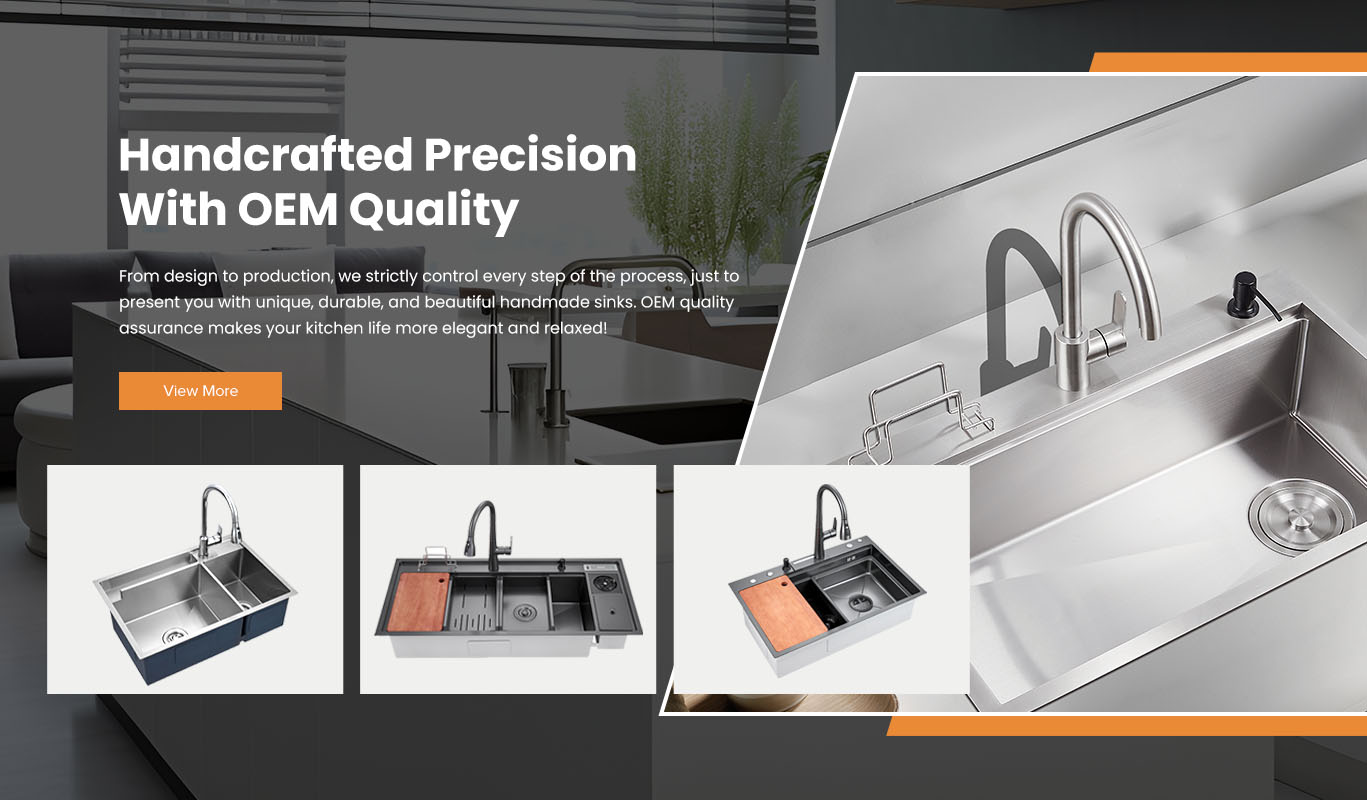
Stainless steel sinks are valued for their durability, modern design, and corrosion resistance. Yet over time, water spots, lime buildup, or rust stains can make even the best sink appear dull. Some homeowners turn to pumice stones for cleaning — a tool traditionally used on ceramic toilets or grills. But the question is: can you use a pumice stone on a stainless steel sink?
The short answer is no — using a pumice stone on stainless steel is not recommended. It’s too abrasive and can permanently scratch or damage the sink’s smooth finish. In this article, Shunhan Kitchen & Bath Technology Co., Ltd., a professional stainless steel sink manufacturer, explains why pumice stones should be avoided and provides safe alternatives for cleaning and stain removal.
A pumice stone is a porous, abrasive volcanic rock formed from cooled lava. It’s lightweight but rough, and often used for scrubbing surfaces like:
Porcelain toilets
Ceramic tiles
Oven grates
Hard mineral stains on stone surfaces
Because it’s hard and gritty, pumice stone effectively removes heavy buildup — but it’s far too coarse for delicate metals like stainless steel.
While stainless steel is strong, its surface finish (whether brushed, satin, or polished) is delicate and precisely engineered. A pumice stone can quickly destroy that finish by leaving deep scratches or dull patches.
Here’s why it’s a bad idea:
Too abrasive: The coarse texture grinds into the metal grain, leaving visible scuff marks.
Damages the protective layer: Stainless steel relies on a thin chromium oxide film for corrosion resistance — pumice abrasion can remove this layer, leading to rust.
Hard to repair: Once scratched, restoring a uniform finish requires professional refinishing or replacement.
Reduces visual appeal: Damaged areas appear cloudy or streaked under light.
Even high-quality SUS304 stainless steel sinks — such as those made by Shunhan — can lose their sleek appearance if scrubbed with abrasive tools like pumice stones or steel wool.
Instead of using a pumice stone, you can achieve a spotless finish with gentle, non-abrasive cleaning methods.
Sprinkle baking soda over damp surfaces and scrub gently with a soft sponge. Then spray white vinegar and let it fizz for a few minutes before rinsing. This combination removes limescale and mild rust without scratching.
Mix lemon juice with a pinch of salt to create a natural cleanser that dissolves stains and eliminates odors. It’s effective for stubborn spots while remaining gentle on the surface.
For everyday cleaning, use neutral pH dish soap and warm water. Wipe with a soft cloth or sponge, then rinse and dry completely.
Professional cleaners formulated specifically for stainless steel dissolve residue and restore shine without abrasion. Always follow manufacturer instructions.
To protect your sink’s finish, always use non-abrasive cleaning tools.
| Safe Cleaning Tools | Tools to Avoid |
|---|---|
| Microfiber cloth | Pumice stone |
| Soft sponge | Steel wool |
| Nylon scrub pad | Metal brush |
| Soft-bristled toothbrush | Sandpaper or emery pads |
Cleaning in the direction of the grain helps preserve the brushed pattern and avoid surface haze.
If your sink has visible rust or mineral buildup, follow this safe method recommended by Shunhan:
Rinse the sink with warm water and mild soap.
Mix baking soda and lemon juice into a paste.
Apply to affected areas and let it sit for 10–15 minutes.
Scrub lightly along the grain with a soft sponge or nylon pad.
Rinse thoroughly and dry with a microfiber towel.
Apply a few drops of olive oil or stainless steel polish to restore the shine.
This method preserves the protective chromium layer while cleaning effectively.
At Shunhan Kitchen & Bath, every sink is crafted from premium SUS304 stainless steel with a precision-brushed surface that’s easy to clean and maintain. To keep your sink in perfect condition:
Rinse after every use to prevent residue buildup.
Dry completely to avoid water spots.
Avoid harsh chemicals such as bleach or ammonia.
Polish monthly using stainless steel oil or cleaner.
Use a sink grid to prevent scratches from heavy cookware.
These simple practices keep your sink looking new for years without needing abrasive cleaners.
Shunhan Kitchen & Bath Technology Co., Ltd., located in Jiangmen, Guangdong, is a trusted manufacturer of stainless steel sinks for global residential and commercial projects.
Our advantages include:
Use of SUS304 food-grade stainless steel for high corrosion resistance
Advanced CNC forming and fine brushing technology
Multiple installation options: Top Mount, Undermount, Apron, Bar, and Rv Sinks
PVD and Nano-coating finishes available for color customization
OEM/ODM customization tailored for international markets
Our sinks are designed to withstand daily cleaning while maintaining a smooth, elegant surface — without the need for abrasive tools like pumice stones.
You should never use a pumice stone on a stainless steel sink. Although stainless steel is tough, pumice stones are far too abrasive and will permanently scratch the surface.
Instead, use gentle cleaning methods such as baking soda, vinegar, or specialized stainless steel cleaners to remove stains and rust safely.
For long-lasting brilliance, choose Shunhan stainless steel sinks, crafted from SUS304 premium material and engineered for easy maintenance and superior durability.