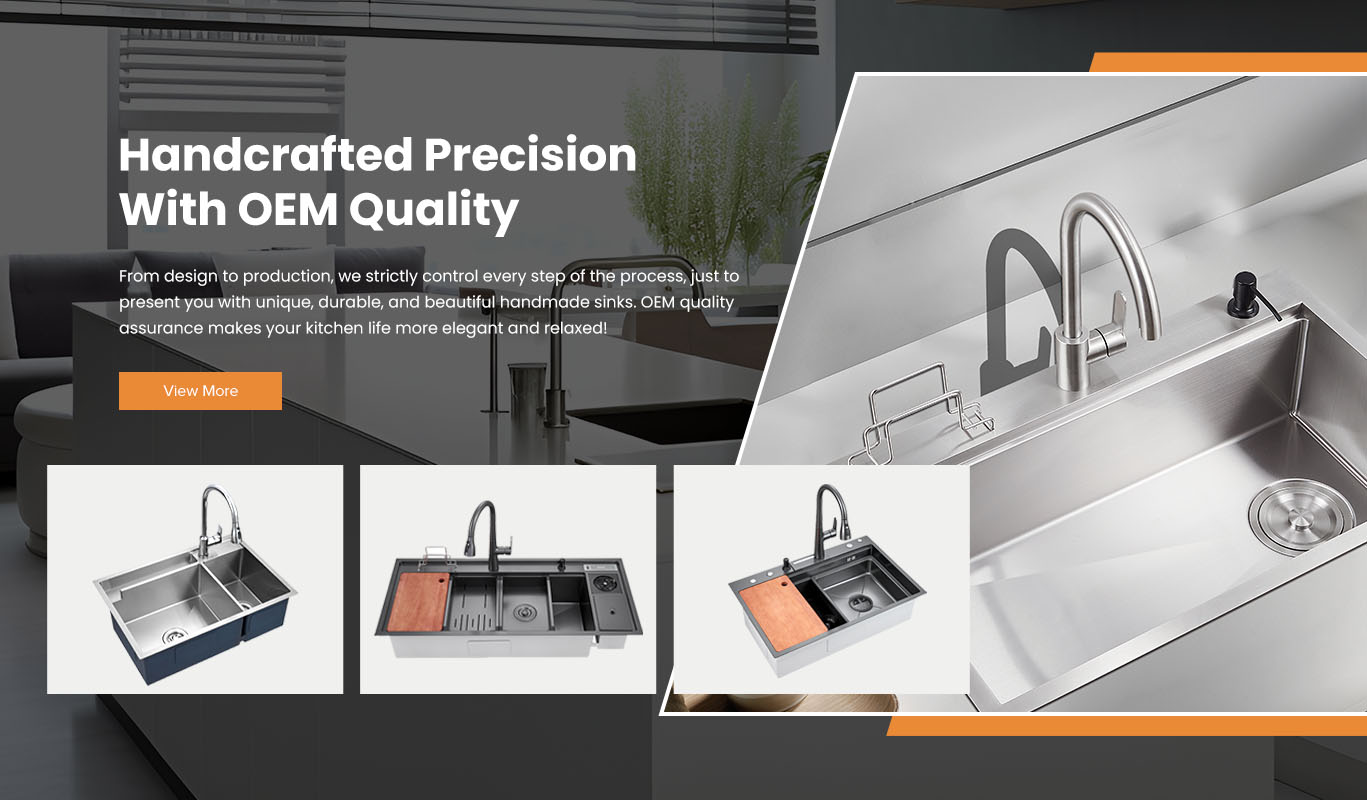
A stainless steel sink is a centerpiece of every modern kitchen — stylish, durable, and hygienic. Yet over time, it may develop water stains, rust marks, or discoloration caused by minerals, cleaning chemicals, or food acids. Fortunately, these stains can be removed easily with the right cleaning approach.
In this guide, Shunhan Kitchen & Bath Technology Co., Ltd., a trusted stainless steel sink manufacturer, shares effective methods to clean and restore your sink’s spotless, mirror-like shine.
Although stainless steel resists corrosion, stains can still occur due to environmental factors and improper cleaning habits. The most common causes include:
Hard water deposits: Calcium and magnesium minerals leave white or cloudy rings.
Chloride residue: Bleach and some detergents can cause surface discoloration.
Food acids: Tomato sauce, coffee, and citrus can create dull patches if left too long.
Iron contamination: Rust stains can form when steel cookware contacts a wet surface.
Neglect: Letting water stand in the sink for hours encourages oxidation and marks.
Understanding the source helps you choose the correct treatment and prevent future staining.
| Material | Purpose |
|---|---|
| Mild dish soap | Removes grease and residue |
| Baking soda | Acts as a gentle abrasive |
| White vinegar | Dissolves mineral buildup |
| Lemon juice | Natural brightener for stubborn spots |
| Non-abrasive sponge | Safe for cleaning brushed surfaces |
| Soft microfiber cloth | Drying and polishing |
| Warm water | Rinsing and dissolving residues |
Avoid steel wool, hard scouring pads, and chlorine-based cleaners — they can scratch or corrode the protective chromium layer on stainless steel.
Rinse the sink thoroughly with warm water. Apply a few drops of mild dish soap and use a soft sponge to remove grease, food, and debris. This ensures that remaining stains are easier to identify.
If you notice white spots or cloudy film, spray white vinegar directly on the surface. Let it sit for 5–10 minutes to dissolve mineral buildup. Wipe clean along the steel grain with a sponge, then rinse thoroughly.
Sprinkle baking soda over the stained areas and make a paste with water. Rub gently along the grain direction using a soft sponge. For extra power, squeeze in a few drops of lemon juice — its citric acid removes rust without scratching.
Rinse the sink with warm water to remove all residues, then dry immediately with a microfiber cloth. Drying prevents new water marks and restores a natural shine.
To enhance brightness, apply a few drops of olive oil or stainless steel polish to a clean cloth and buff the surface evenly. This step adds a protective layer against fingerprints and future staining.
If the stains have set in for weeks or months, use a deeper restoration method:
Mix 3 tablespoons of baking soda with 1 tablespoon of vinegar to create a fizzy cleaning paste.
Spread it over stained areas and let it sit for 15–20 minutes.
Use a non-abrasive pad to rub lightly in one direction.
Rinse and repeat if necessary, then dry thoroughly.
This method is safe for all Shunhan SUS304 stainless steel sinks, whether brushed, satin, or mirror finish.
Even high-quality stainless steel can lose its shine if maintained incorrectly. Avoid these frequent errors:
Using bleach or chlorine products: They can pit or corrode the steel surface.
Scrubbing across the grain: Always clean along the grain for a uniform appearance.
Leaving wet sponges or steel cookware: Trapped moisture promotes rust marks.
Letting hard water dry naturally: Always wipe dry after use to prevent rings.
Mixing strong cleaners: Combining acids and alkalis can damage the finish.
Regular maintenance keeps your sink looking new. Shunhan recommends:
Rinse and wipe after each use.
Deep clean once per week using baking soda and vinegar.
Polish monthly to restore shine and add protection.
Use a sink grid to reduce direct contact with metal cookware.
Avoid leaving salt or acidic food residues for long periods.
These simple habits can help maintain the same professional finish your sink had on installation day.
Shunhan Kitchen & Bath Technology Co., Ltd., based in Jiangmen, Guangdong, manufactures high-quality stainless steel sinks with exceptional corrosion resistance and easy-clean surfaces.
Our key advantages include:
SUS304 food-grade stainless steel with durable anti-stain finish
Fine brushed and satin surfaces that hide minor marks
Wide range: Top Mount, Undermount, Apron, Bar, and Custom Sinks
OEM/ODM customization for overseas clients
Rigorous quality testing for long-term durability
Every Shunhan sink is built to withstand daily use while remaining easy to clean and maintain.