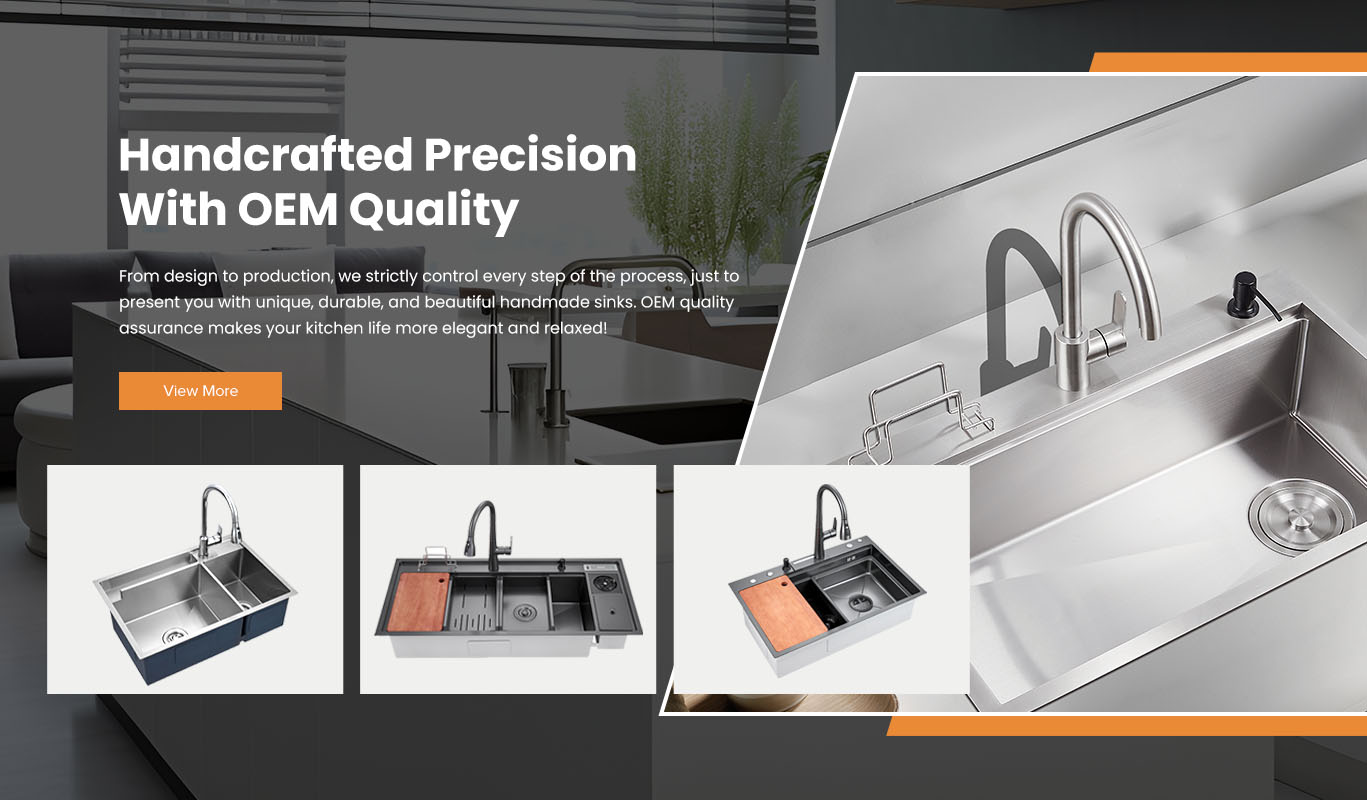
A stainless steel sink is one of the most important fixtures in any kitchen, combining durability with a sleek, modern appearance. However, over time, even the best-quality sink can lose its original shine due to water stains, soap residue, and minor scratches. Knowing how to polish a stainless steel sink properly helps restore its elegant look and prolong its lifespan. This guide from Shunhan, a professional stainless steel sink manufacturer, will teach you how to achieve a lasting mirror finish.
Before polishing, it is essential to understand what type of stainless steel finish your sink has. Most modern kitchen sinks are made from SUS304 (Type 304) stainless steel with a brushed, satin, or mirror finish.
Brushed Finish: Fine lines on the surface created by mechanical polishing. Ideal for modern kitchens as it hides fingerprints and small scratches.
Satin Finish: A smoother texture with subtle reflection, offering a premium look while remaining easy to maintain.
Mirror Finish: The most reflective surface, requiring frequent polishing to maintain its brilliance.
Knowing the finish ensures you use the correct polishing technique and avoid over-scratching the surface.
To polish your stainless steel sink effectively, prepare the following materials:
| Item | Purpose |
|---|---|
| Soft microfiber cloth | Wiping and buffing |
| Mild dish soap | Removing grease and dirt |
| Baking soda | Gentle abrasive for stain removal |
| White vinegar | Dissolving mineral deposits |
| Stainless steel polish or olive oil | Enhancing shine and protection |
| Non-abrasive sponge | Prevents scratching during cleaning |
Always choose non-abrasive materials. Avoid steel wool or harsh scouring pads, which can damage the sink’s surface.
Start by washing the sink with warm water and mild dish soap. Use a soft sponge to remove food particles, oil, and residue. Rinse thoroughly and dry the sink with a microfiber cloth to prevent water marks.
For hard water spots or minor discoloration, sprinkle baking soda across the wet surface. Gently scrub in the direction of the grain using a sponge. This method cleans deeply without leaving scratches.
If you see lime deposits or mineral buildup, soak a cloth in white vinegar and place it over the affected area for 10 minutes. Rinse afterward.
Use a high-quality stainless steel polish or a few drops of olive oil on a clean cloth. Buff the surface along the grain until you notice a smooth, reflective shine. This process not only enhances appearance but also adds a protective layer against oxidation and fingerprints.
After polishing, dry the sink completely using a fresh microfiber towel. Examine for any remaining dull spots or light scratches. Repeat the polishing step if needed for consistent brightness.
Polish Monthly: Regular light polishing every 3–4 weeks keeps the surface protected and prevents dullness.
Avoid Chlorine and Bleach: Strong chemicals can corrode stainless steel over time.
Rinse After Contact with Salty Water: Salt accelerates corrosion; rinse immediately.
Use a Sink Grid: Protects the bottom from scratches caused by heavy pots and utensils.
Dry After Each Use: Water minerals can leave marks if left to air dry.
At Shunhan Kitchen & Bath, we design each stainless steel sink with precision and durability in mind, using premium 304 stainless steel that resists rust, corrosion, and stains. With proper care, your sink can maintain its original luster for over a decade.
Using Abrasive Pads: These can permanently damage the brushed texture.
Polishing Against the Grain: Always follow the natural grain direction to preserve finish uniformity.
Neglecting Rinse and Dry Steps: Water residue can lead to hard mineral spots that are difficult to remove later.
Mixing Cleaning Products: Combining acidic and alkaline agents can damage protective layers on the surface.
Shunhan Kitchen & Bath Technology Co., Ltd. specializes in manufacturing high-quality stainless steel sinks for residential and commercial kitchens. Our sinks are crafted using premium SUS304 material, featuring advanced CNC forming, automatic welding, and fine brushing technology.
Advantages of Shunhan sinks include:
Exceptional corrosion resistance
Perfect balance of durability and modern aesthetics
Multiple installation types (top mount, undermount, apron front, bar, and Rv Sinks)
Custom dimensions and finishes available for OEM and ODM clients
When you choose Shunhan, you invest in craftsmanship, innovation, and long-lasting quality.
Polishing your stainless steel sink is a simple but powerful way to maintain its timeless elegance. By following the steps outlined above—cleaning, removing stains, polishing, and regular maintenance—you can keep your sink as brilliant as the day it was installed.
For more insights, product details, and custom sink solutions, visit Shunhan Kitchen & Bath Technology Co., Ltd. — your trusted partner for premium stainless steel sinks.